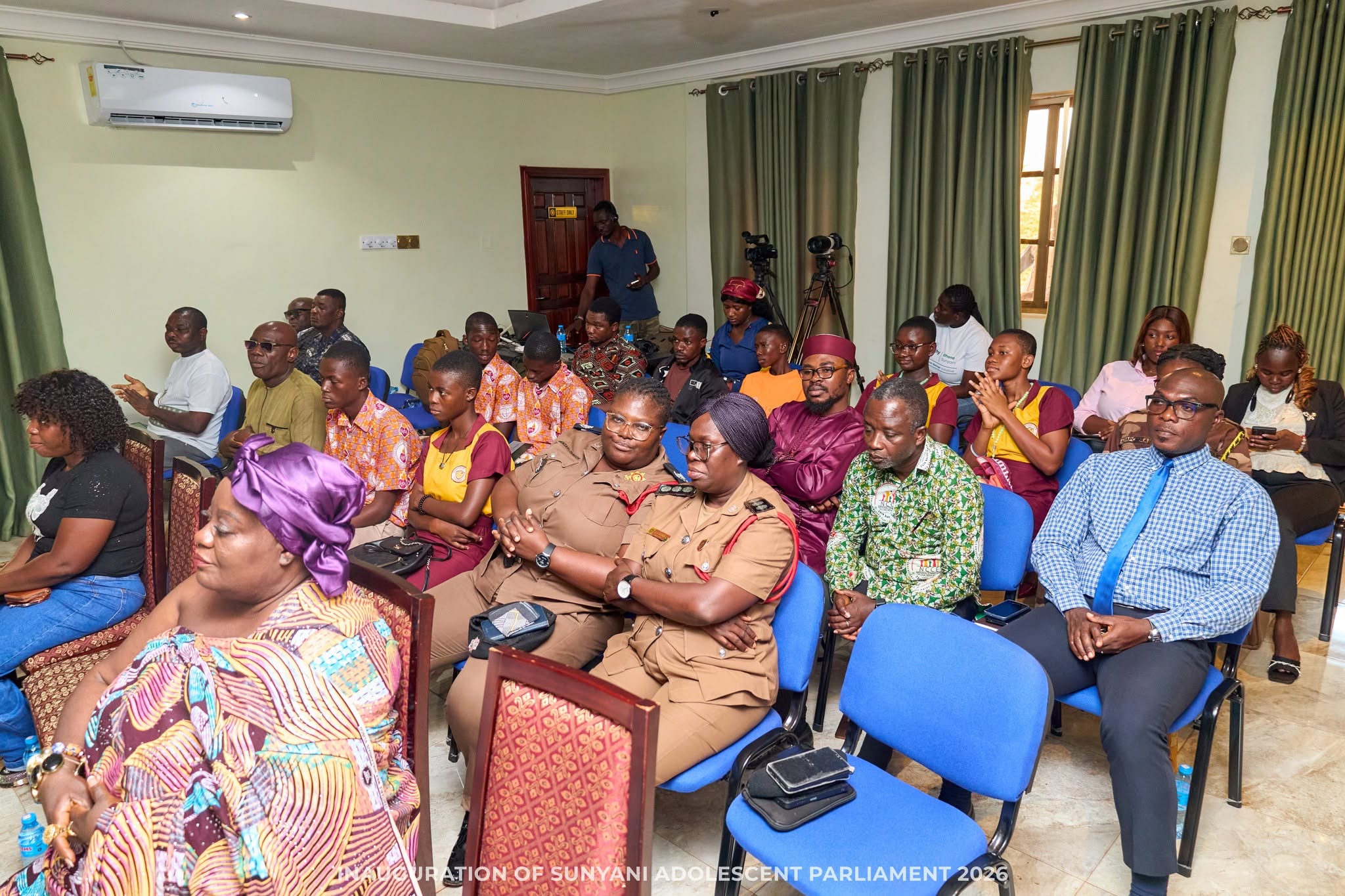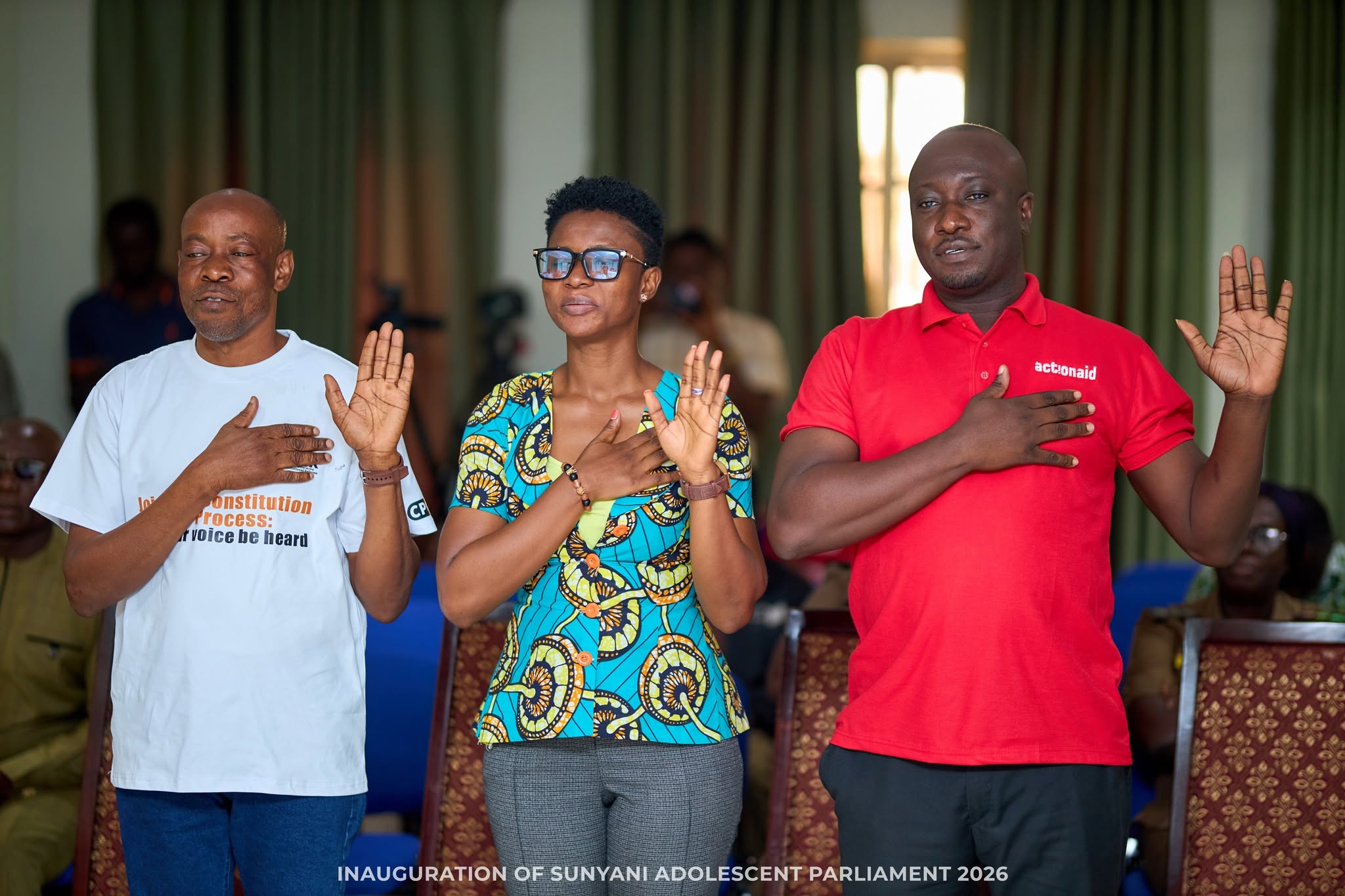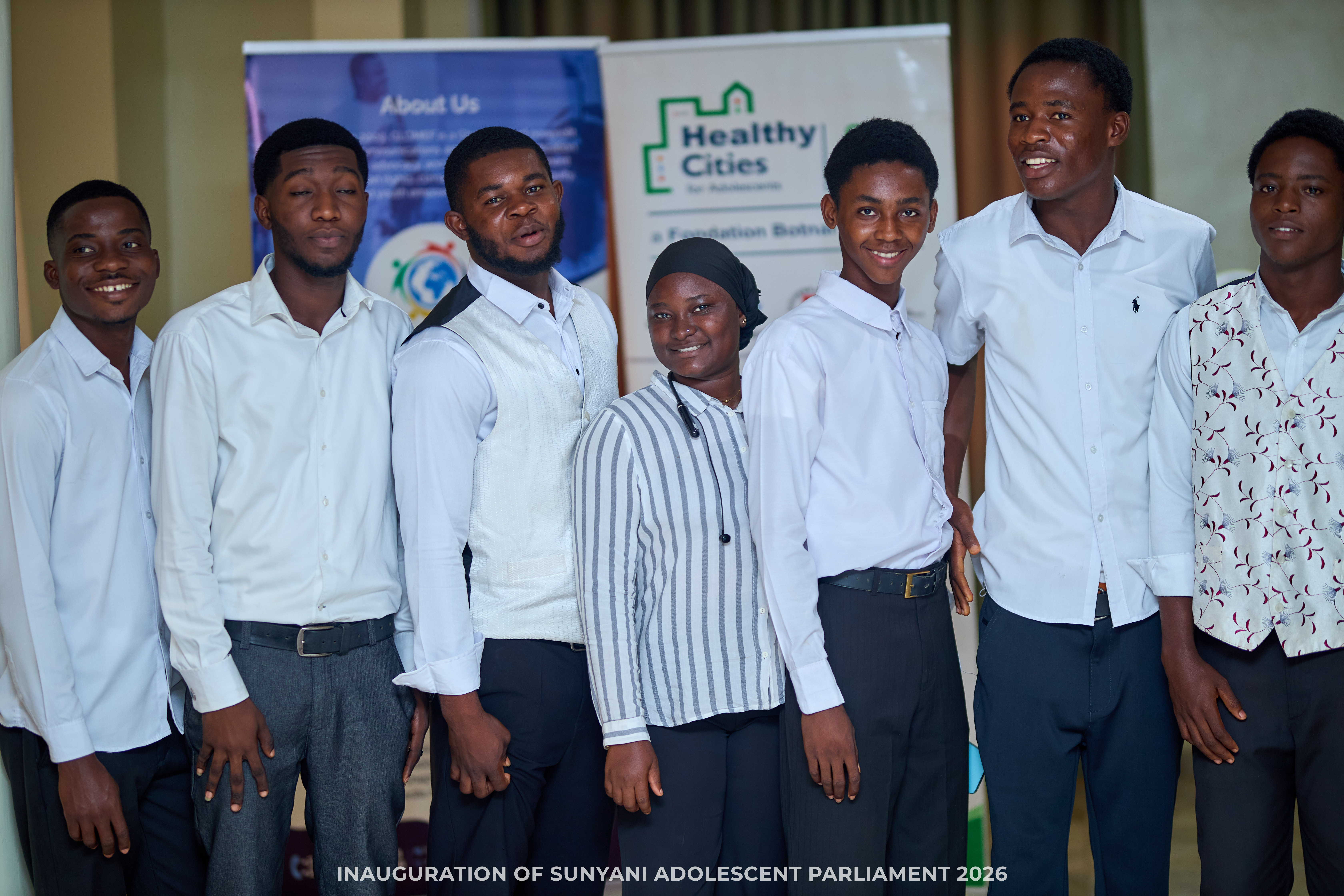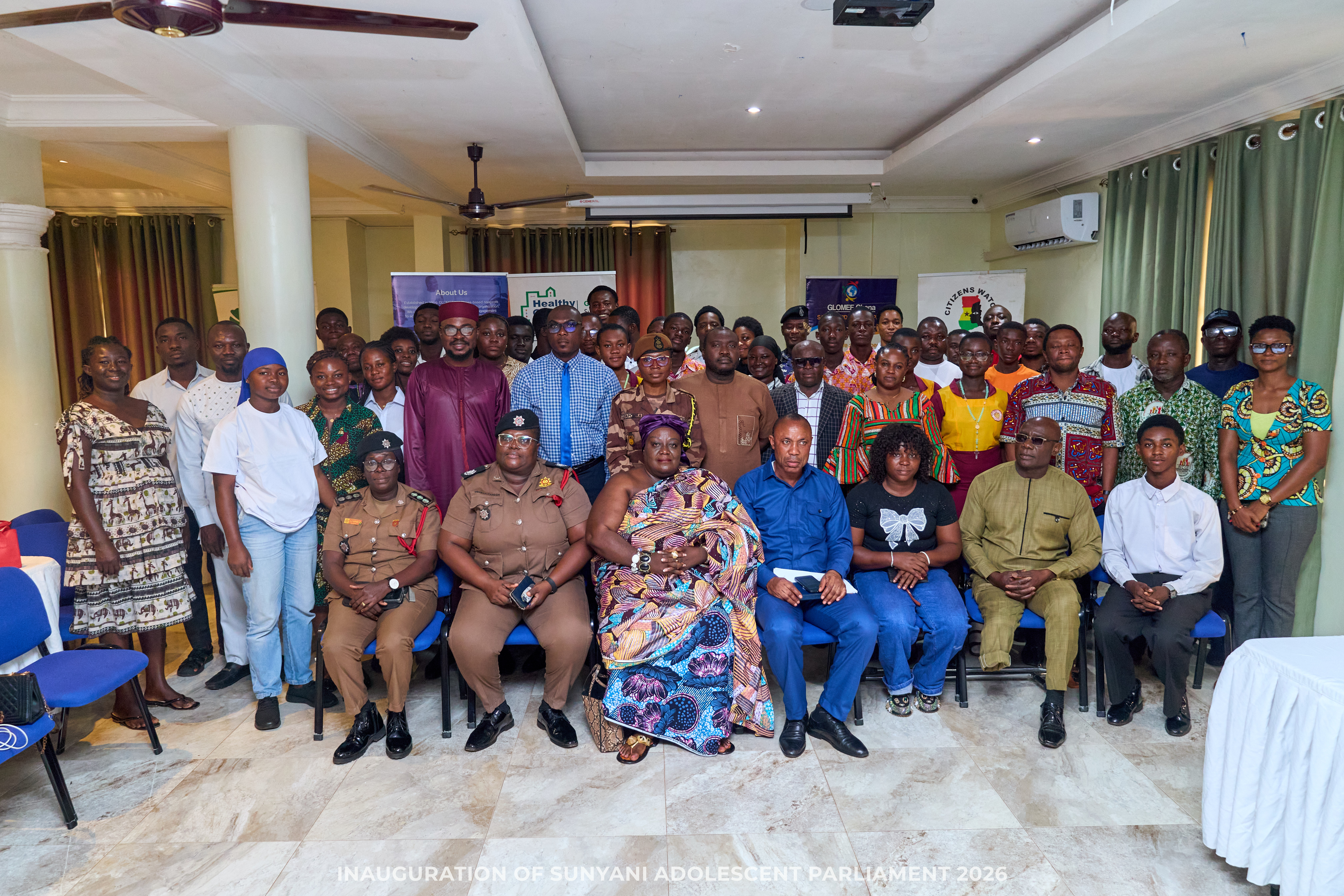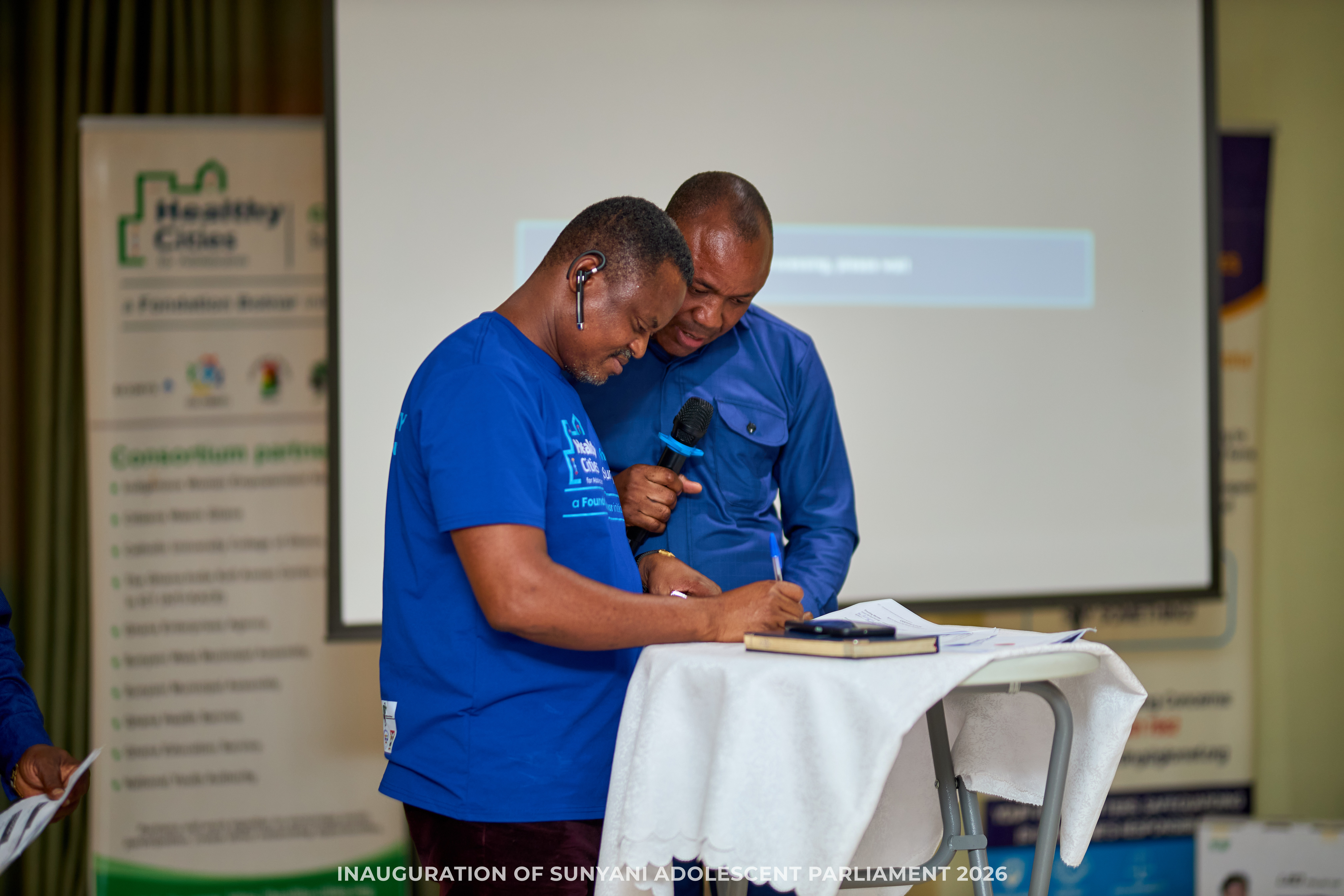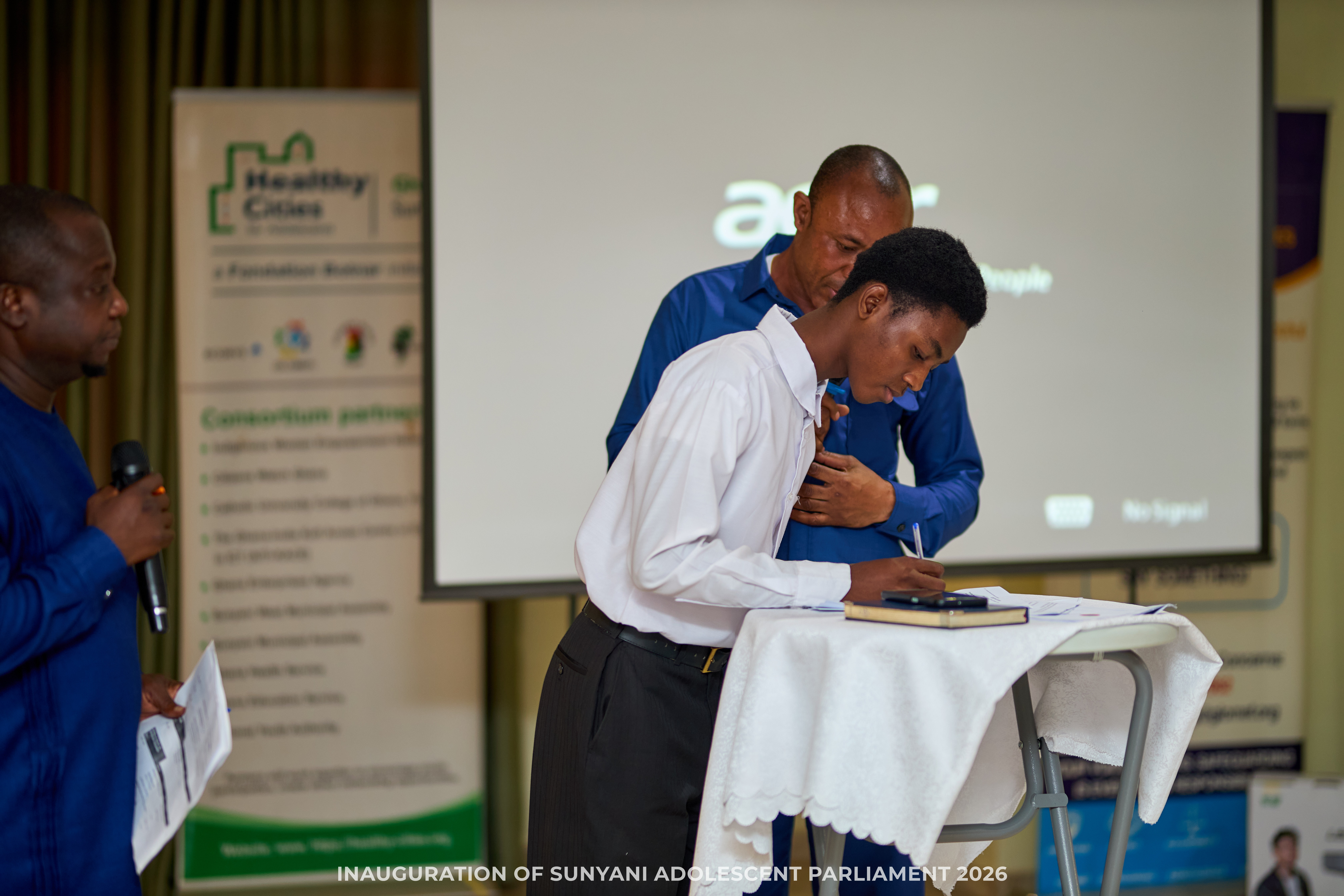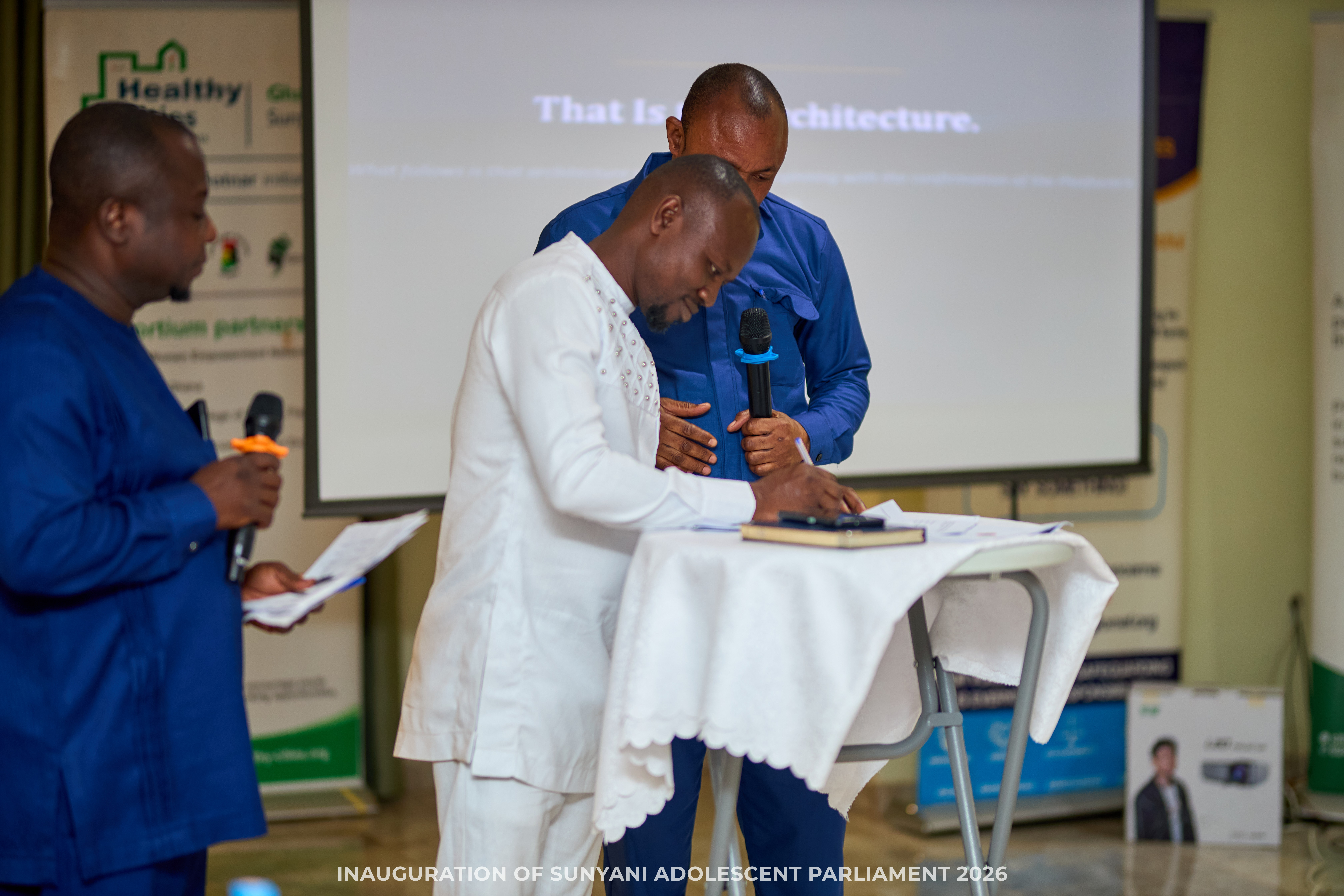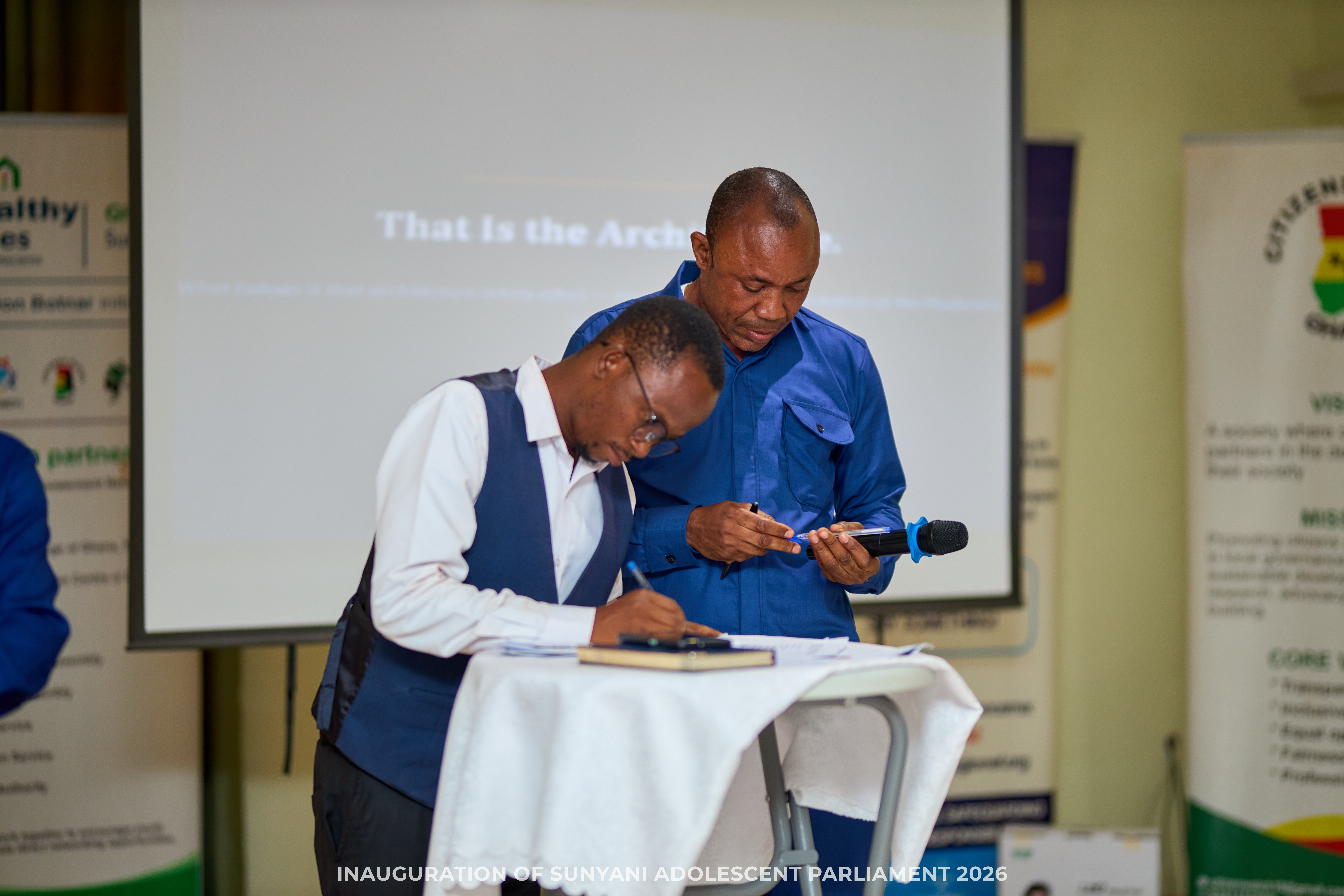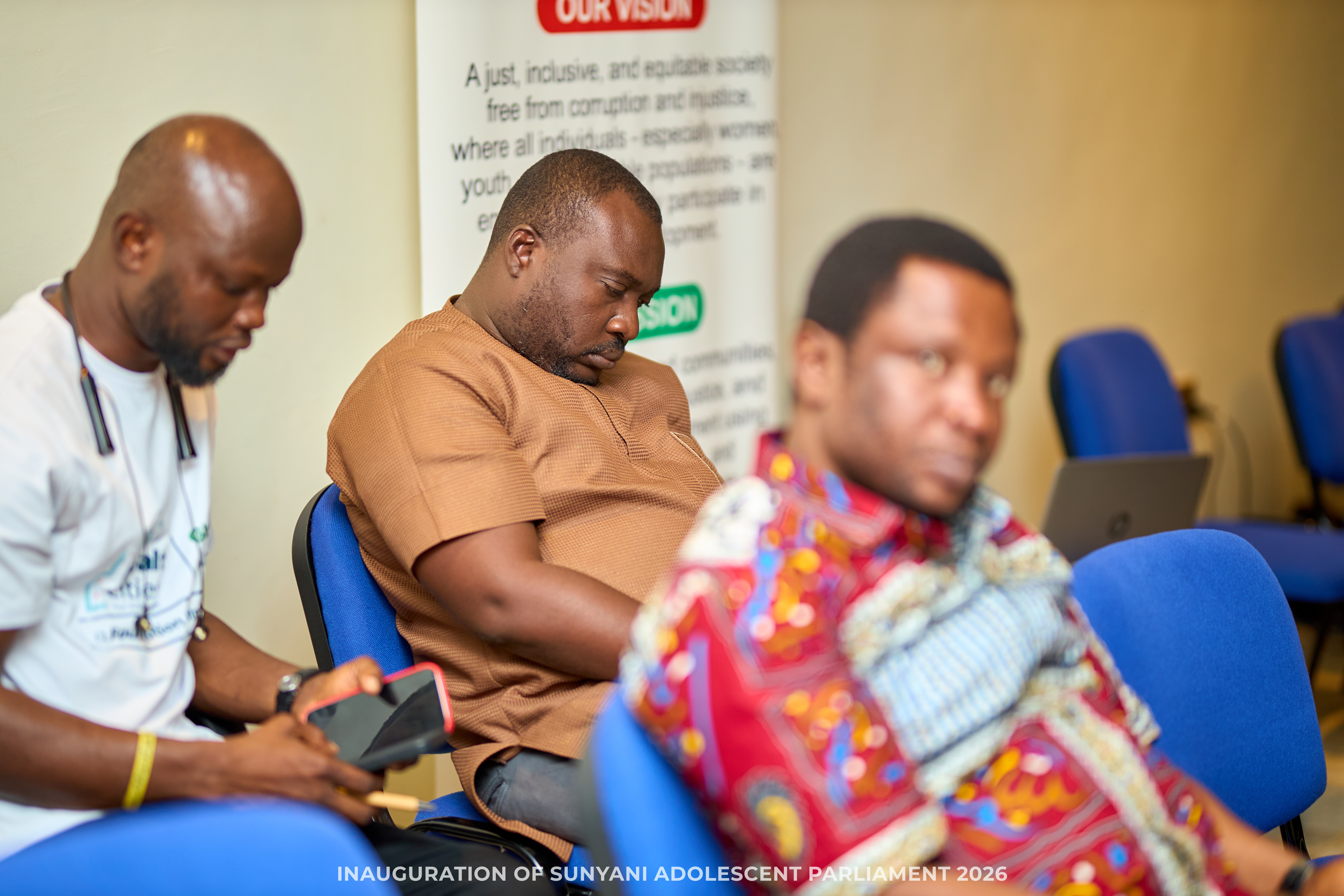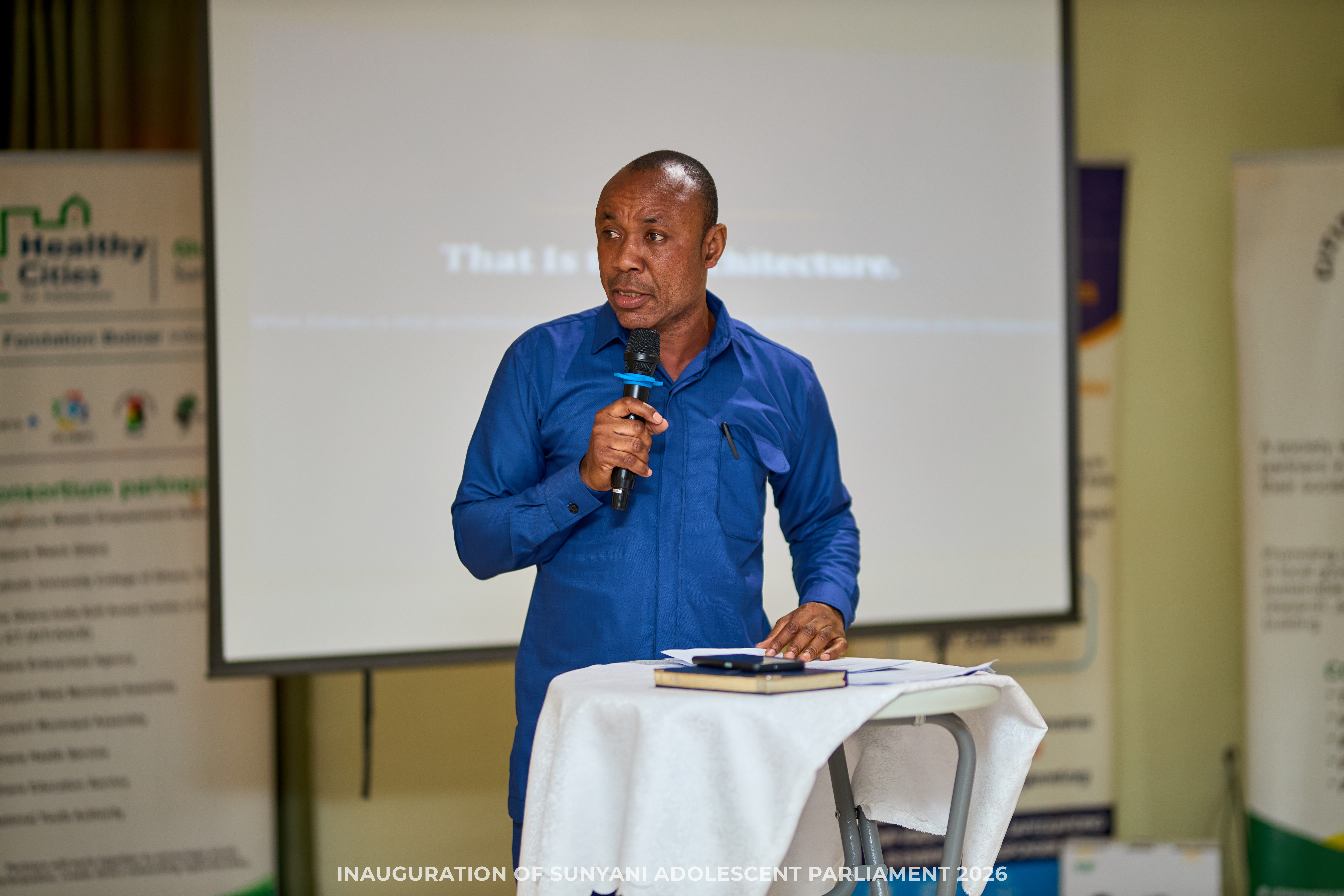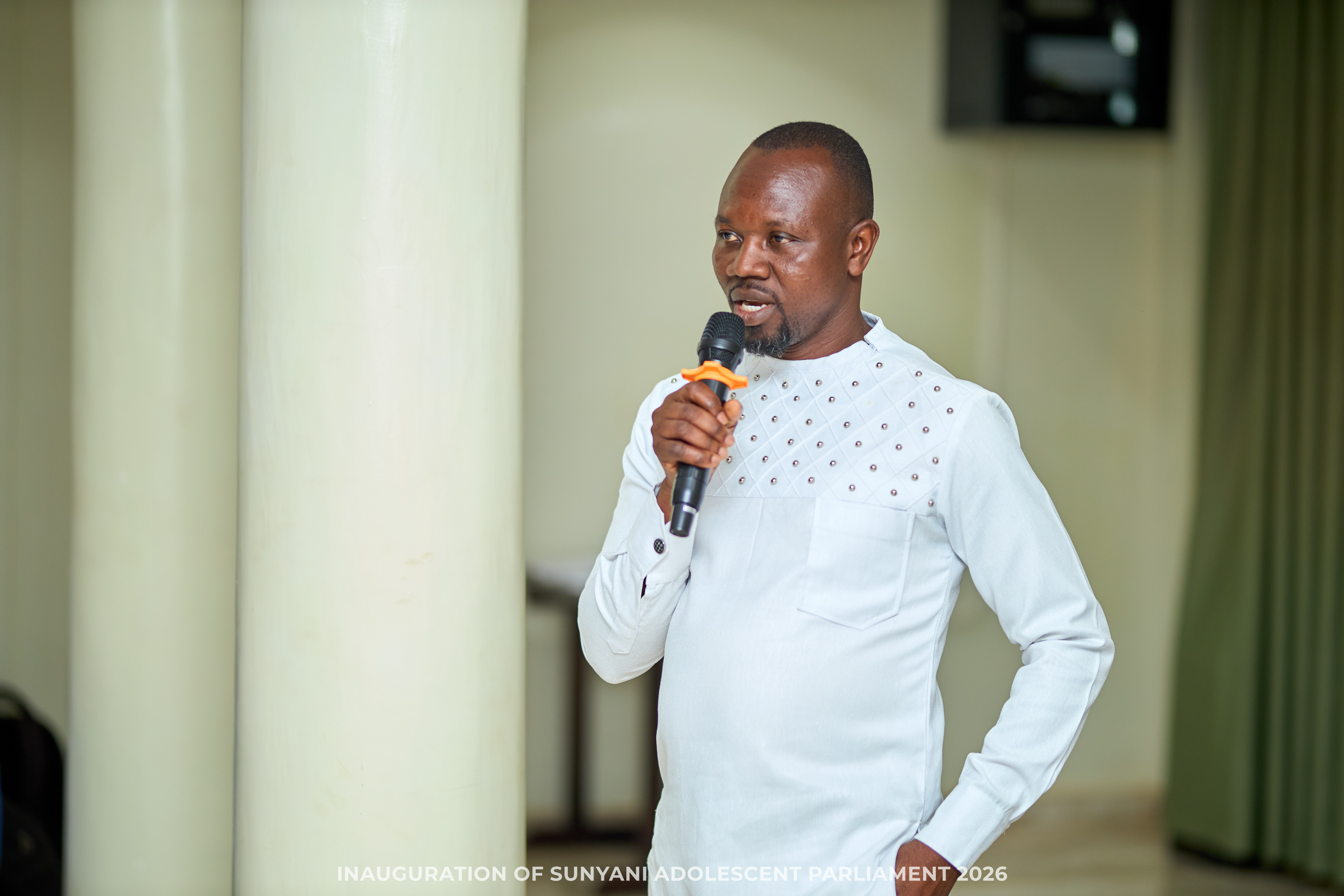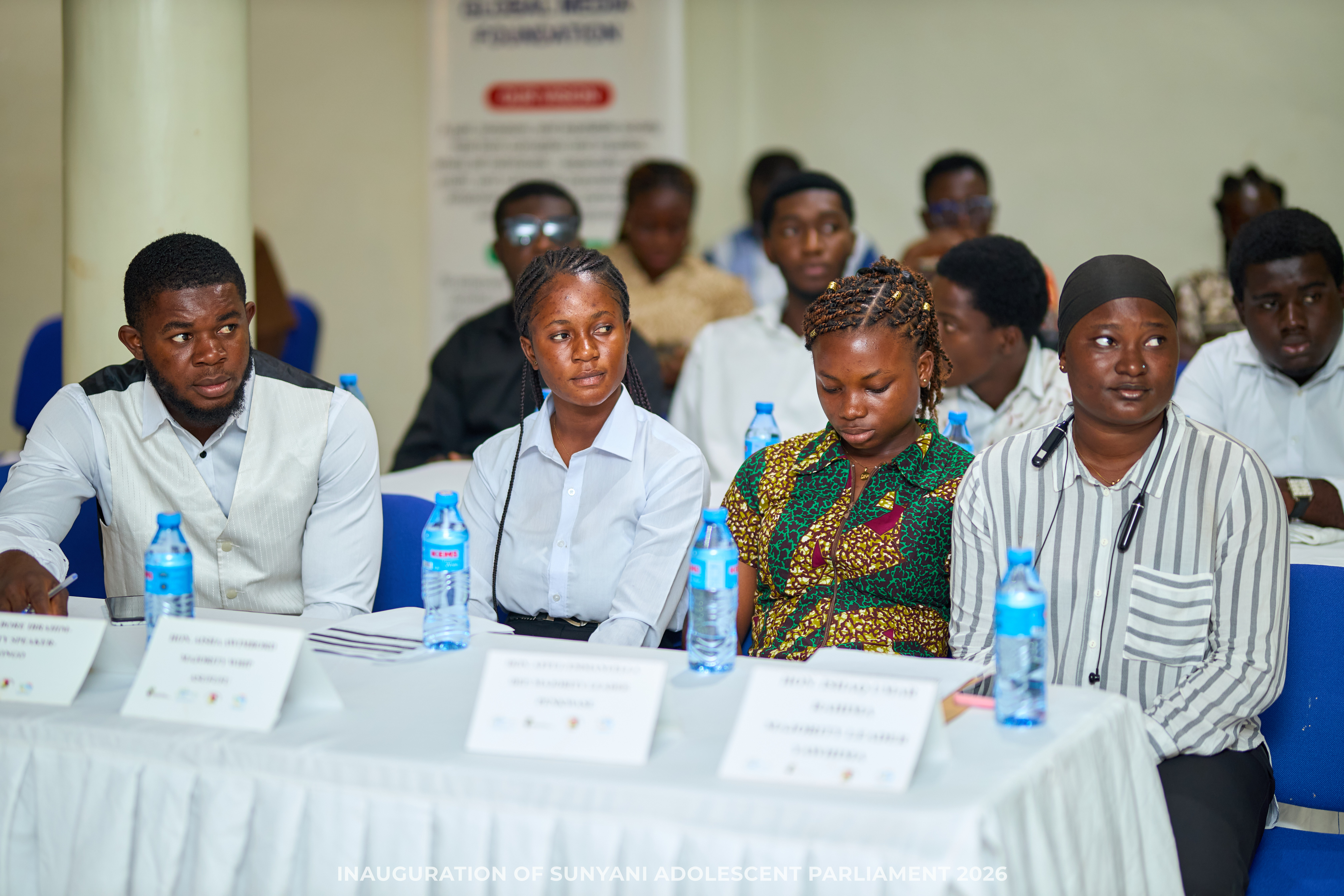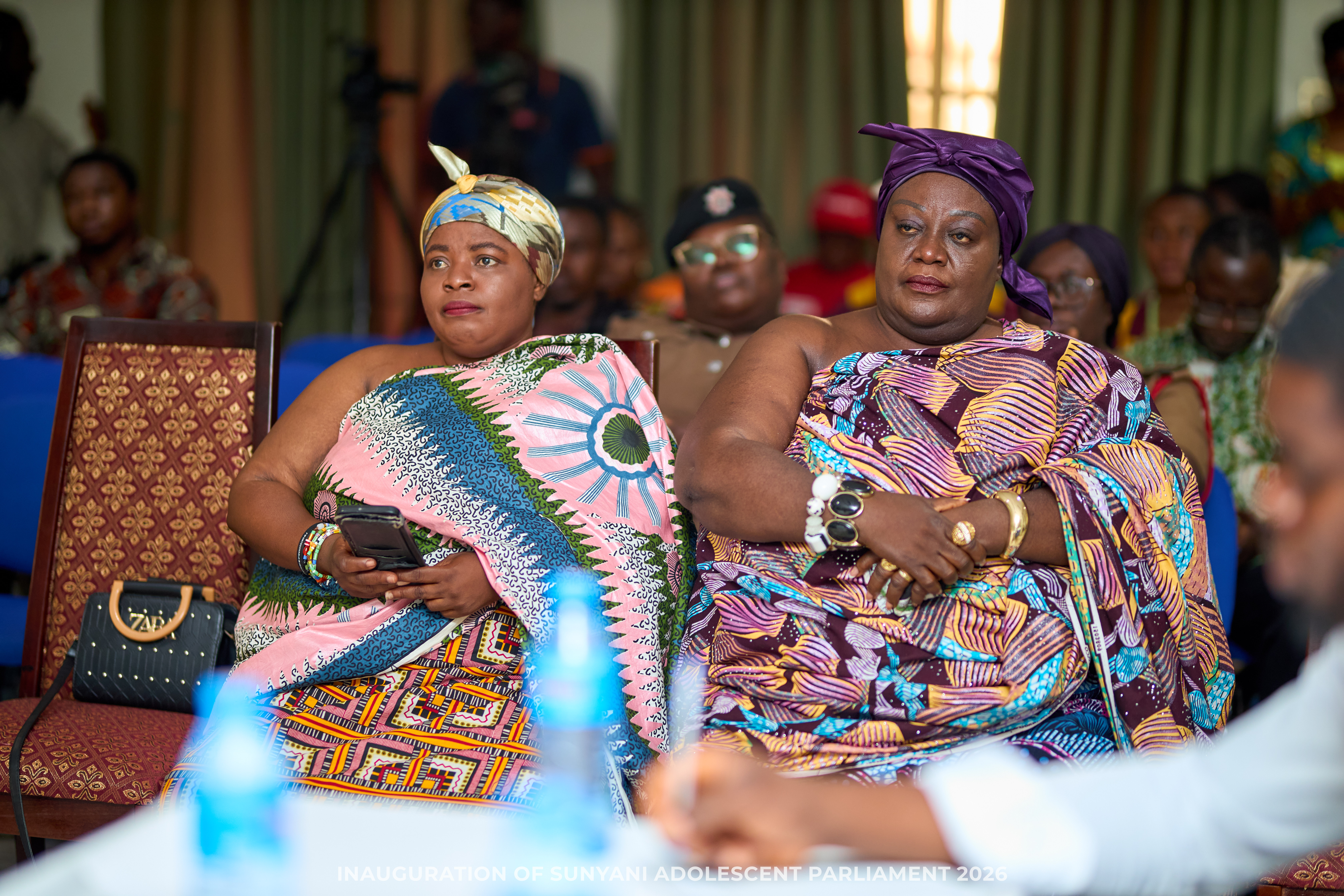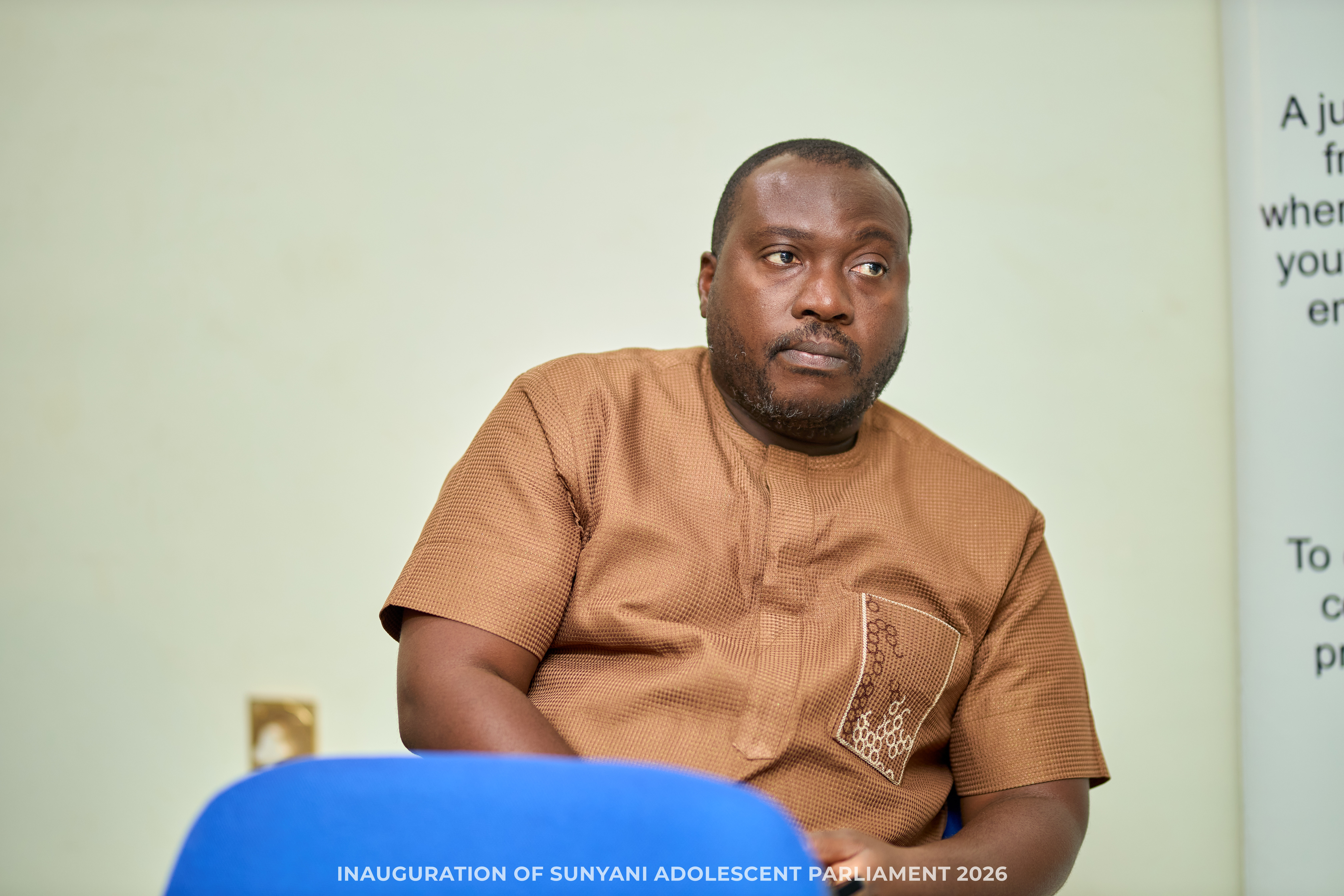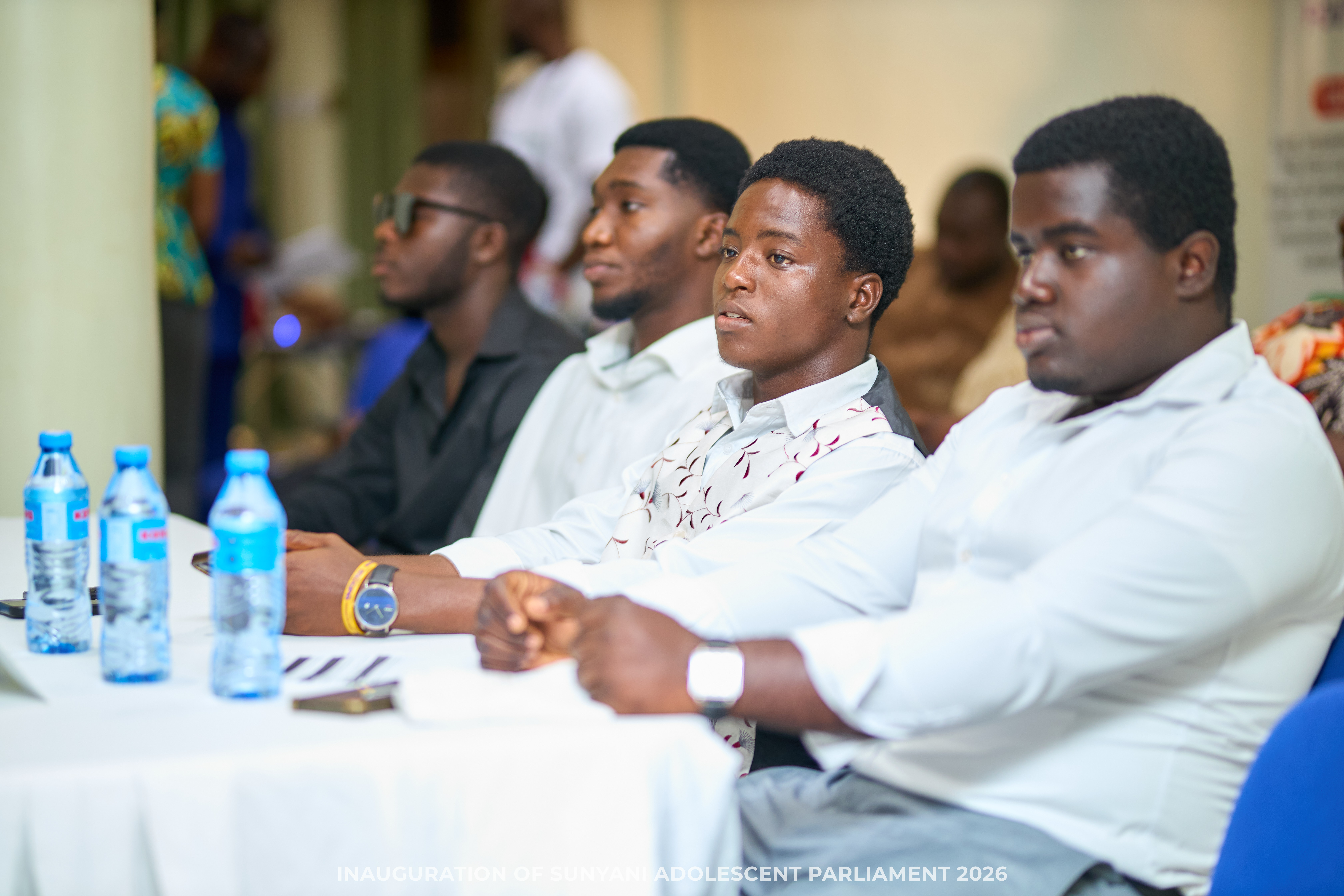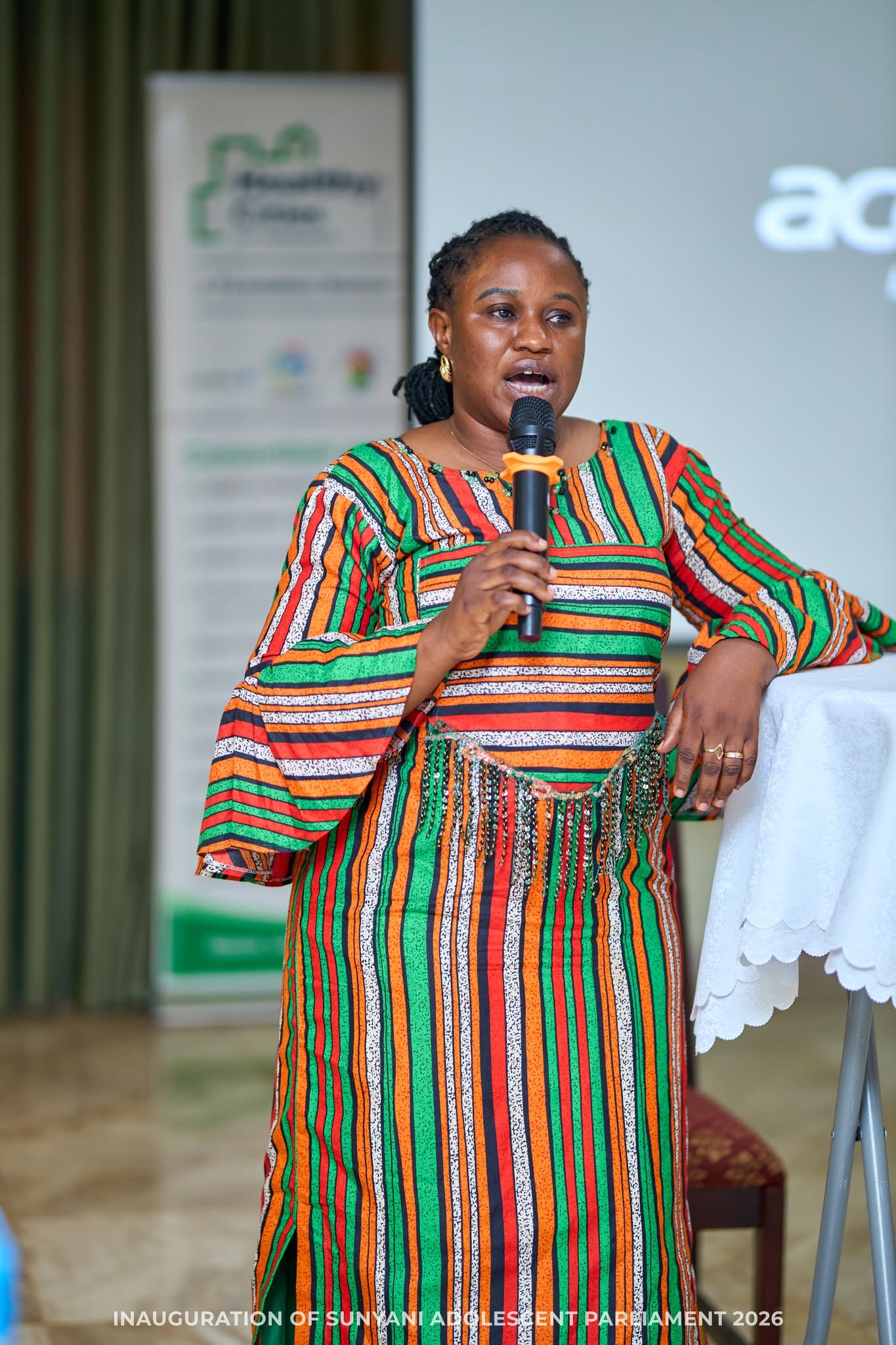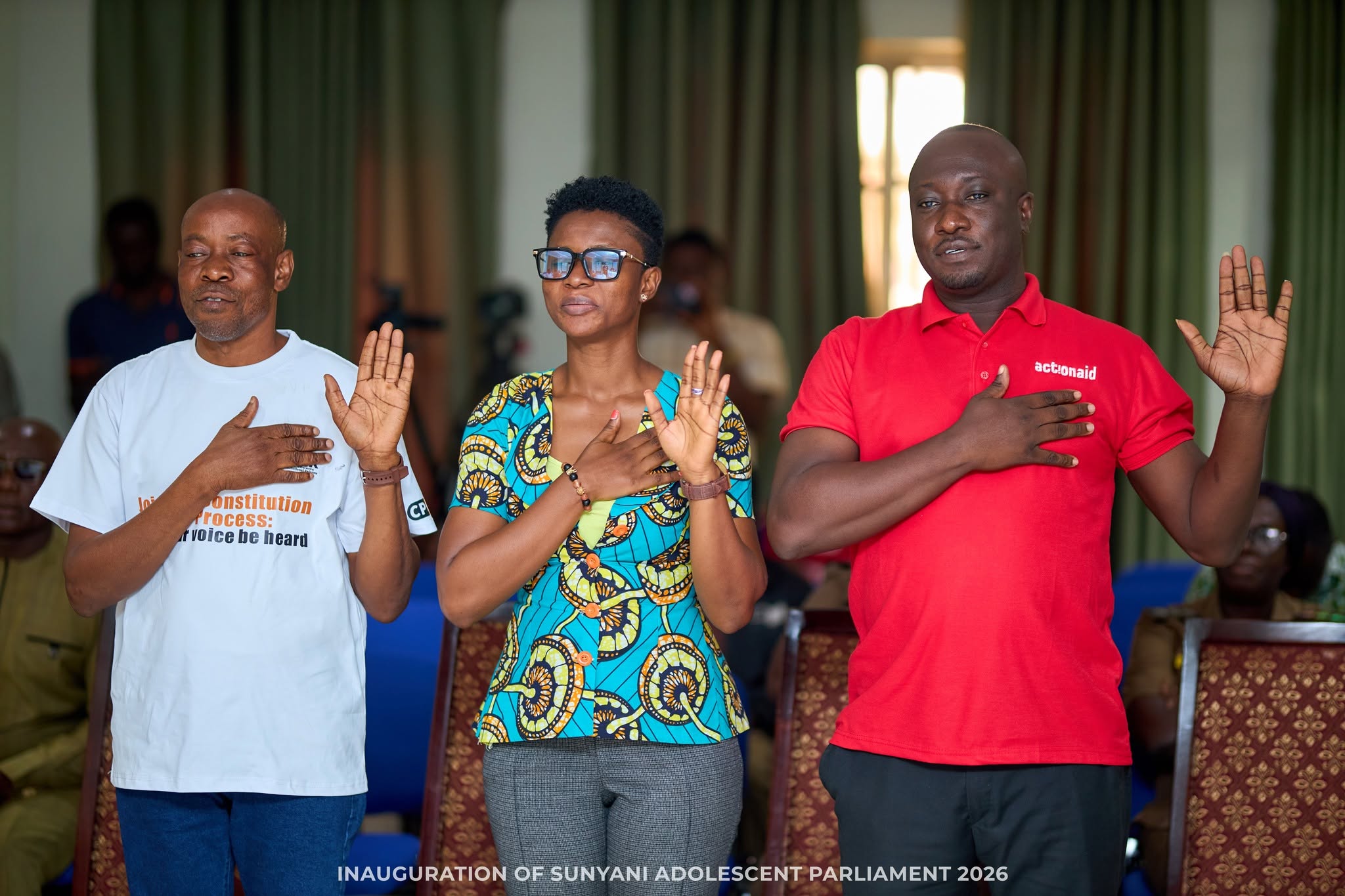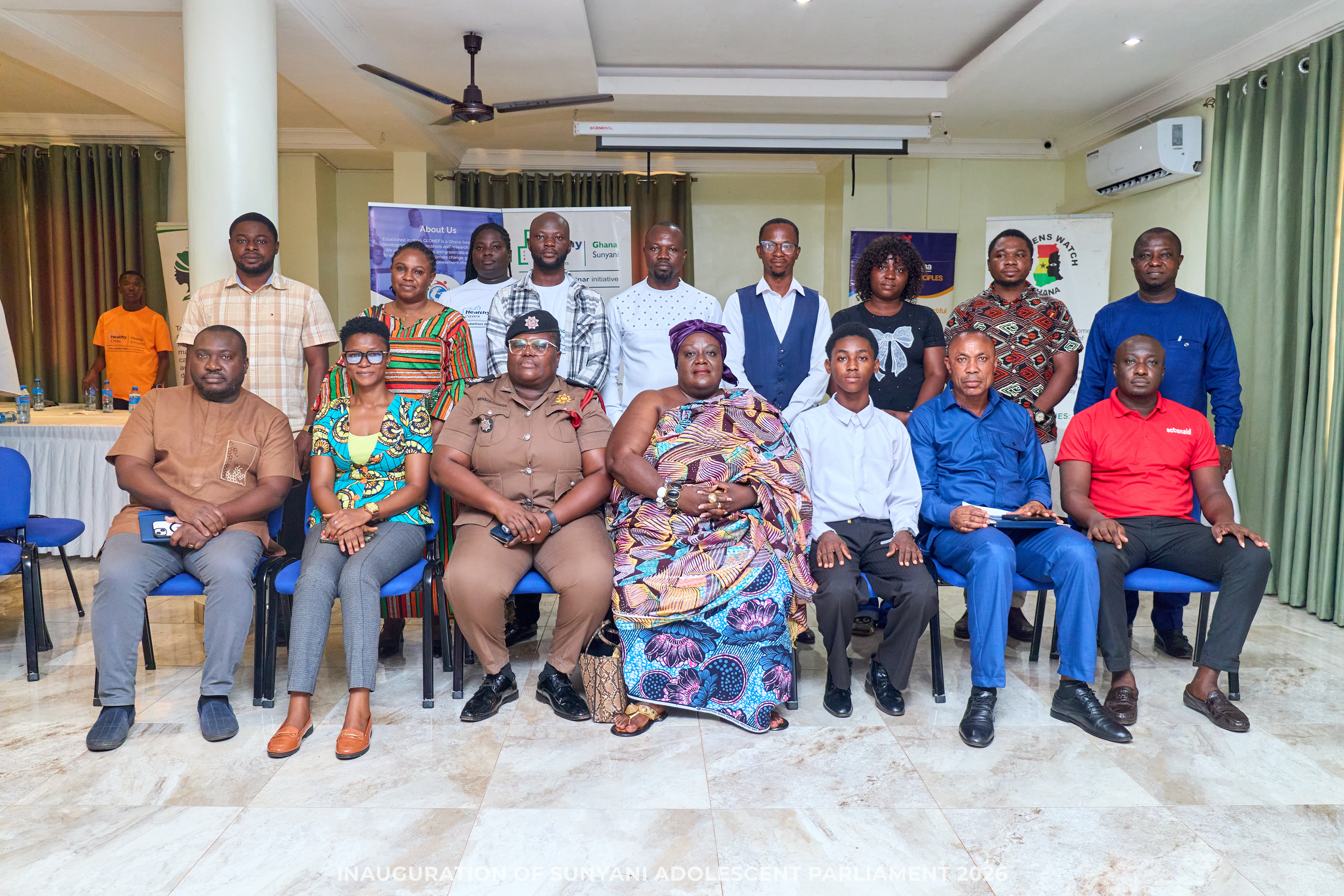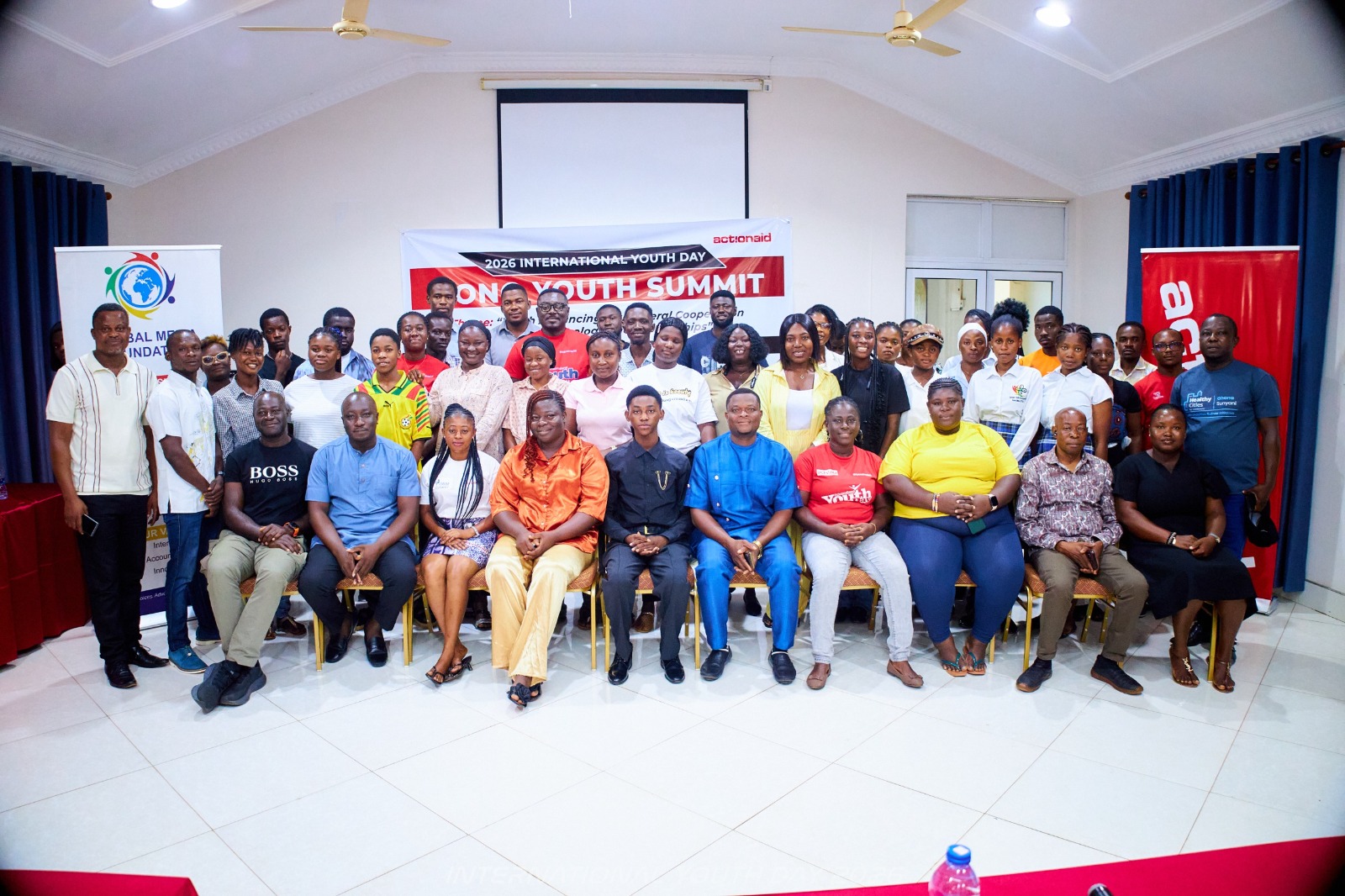
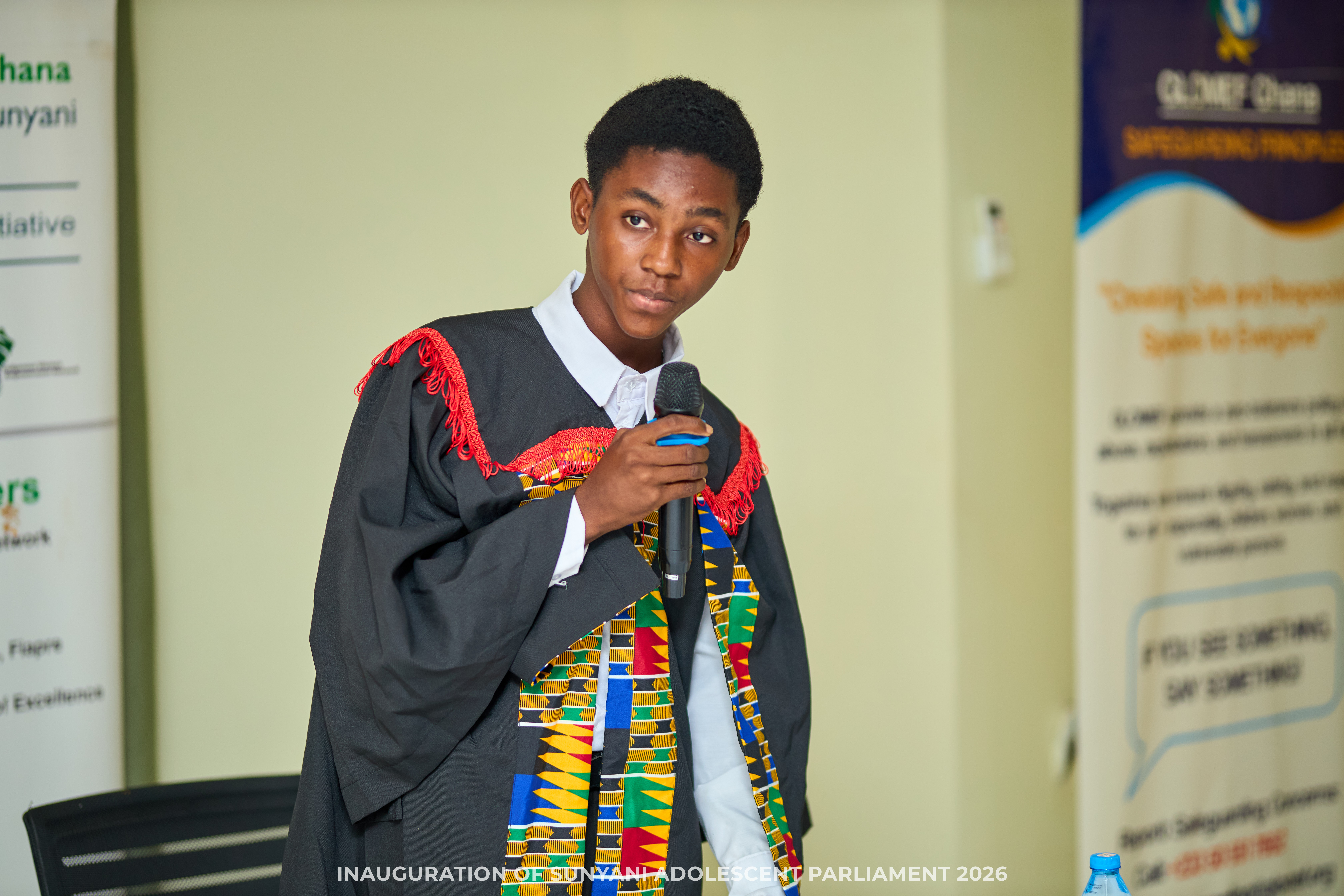
The Sunyani Adolescent Parliament has been formally inaugurated as an adolescent-led platform to strengthen adolescent participation in local governance, representation and decision-making at the city level.
The formal establishment of the parliament and its inauguration mark a significant step in efforts to provide adolescents with a structured platform through which they can raise issues affecting their lives, engage local authorities and contribute to discussions on the development of their communities.
The initiative was developed under the Resilient City for Adolescents (RCA) project, led by the Global Media Foundation (GLOMEF Ghana) in partnership with Fondation Botnar, Ecorys UK, Citizens Watch Ghana and the Indigenous Women Empowerment Network (IWEN).
Speaking at the inauguration, the Chief Executive Officer (CEO) of GLOMEF Ghana, Mr. Raphael Godlove Ahenu, said local government has a responsibility to ensure that different groups within communities, including young people, have opportunities to participate in decisions affecting their communities.
He noted that young people have historically had limited opportunities to sit at the same decision-making table with local government leaders, Members of Parliament, Assembly Members and other stakeholders.
Mr. Ahenu said the RCA project had therefore introduced the Adolescent Parliament alongside the Intermediary City Ecosystem Platform (ICEP) to strengthen adolescent participation and broader stakeholder engagement in local governance.
He explained that the ICEP is intended to provide a platform through which municipal assemblies and local authorities can regularly engage adolescents and other stakeholders in the development, implementation, monitoring and tracking of projects and programmes.
The event also featured discussions on the institutionalization of the ICEP as a sustainable governance platform within the Sunyani Municipal and Sunyani West Municipal Assemblies.
The platform is designed to bring together local government, adolescents, civil society organisations, development partners, traditional authorities, private sector representatives and other relevant stakeholders.
Its functions include facilitating collaboration, promoting evidence-informed decision-making, supporting integrated planning, strengthening participation and accountability, and monitoring the implementation of agreed priorities.
The ICEP platform is expected to meet twice a year to deliberate on issues affecting young people’s growth, transformation, health and wellbeing. Its advisory and monitoring role is intended to complement, rather than replace, the statutory functions of the Municipal Assemblies.
Formal structures and adolescent leadership
The formal establishment of the Adolescent Parliament was marked by the ratification of its Constitution, confirmation of its leadership structures, the establishment of a Board of Patrons and the confirmation of its Secretariat.
The Constitution provides a framework for membership, leadership, representation, accountability, safeguarding and the participation of adolescents in local governance.
It places particular emphasis on adolescents being able to participate meaningfully in decisions affecting their lives and communities, while requiring adolescent parliamentarians to consult their constituencies, gather concerns and priorities, and bring them before the Plenary.
Speaking at the inauguration ceremony, Sarkodie-Frimpong Daniel, Speaker of the Sunyani Adolescent Parliament, said the institutionalization of the Adolescents Parliament gives young people a greater sense of ownership of the House and creates an opportunity to develop future leaders.
He said the Parliament would also use social media to reach adolescents who may not be able to participate directly in its activities.
His vision, he said, is to contribute to a city where the voices of adolescents are heard and included in decision-making.
Ishaq Umar Rahima, Co-Chairperson and Majority Leader of the Sunyani Adolescent Parliament, said her role would be to support the Speaker in providing effective leadership and ensure continuity in the work of the House whenever necessary.
She said her responsibilities also extended to representing the concerns and priorities of adolescents and ensuring that their voices reach appropriate decision-making spaces.
Ms. Rahima said her vision was for a Parliament that goes beyond sitting and deliberating to actively listen to adolescents, engage communities and ensure that young people’s concerns are reflected in decisions affecting their lives.
She further expressed the hope that the Parliament would grow into a strong and respected platform for adolescent participation in local governance, where young people are not only invited to speak but are genuinely considered in decision-making.
The Presiding Member of the Sunyani Municipal Assembly, Abdul Razzack Abdulai, described the formal establishment as an important step towards creating a permanent platform for young people to understand and participate in local governance.
He said young people should be involved in discussions on matters affecting them because their own interests and aspirations cannot be understood better than by themselves.
Mr. Abdulai further noted that meaningful participation by young people could contribute to deeper decentralization and greater inclusiveness in local governance.
At the event, Princella Dzidzor Quarshie of the National Youth Authority and a member of the Board of Patrons said the Authority was committed to supporting the platform and ensuring that it functions effectively.
She described the role of the Board of Patrons as one of guidance and mentorship, emphasizing that the Board would support the young parliamentarians without taking away their leadership role.
She assured the parliamentarians that the Board would be available to provide guidance and support whenever needed.
GLOMEF highlights impact and future expectations
Mr. Edward Ayabilah, Programmes Manager of GLOMEF Ghana, said the organisation was inspired to supporting the establishment of the Adolescent Parliament after recognising through the RCA project that adolescents had important ideas about their city but did not always have structured opportunities to contribute to decisions affecting them.
He said the Parliament was intended not merely as a place for young people to speak, but as a sustainable platform where adolescents could organise their voices, develop solutions and engage directly with decision-makers.
Mr. Ayabilah said the initiative had already produced visible changes among participating adolescents, particularly in their confidence and ability to engage with authorities.
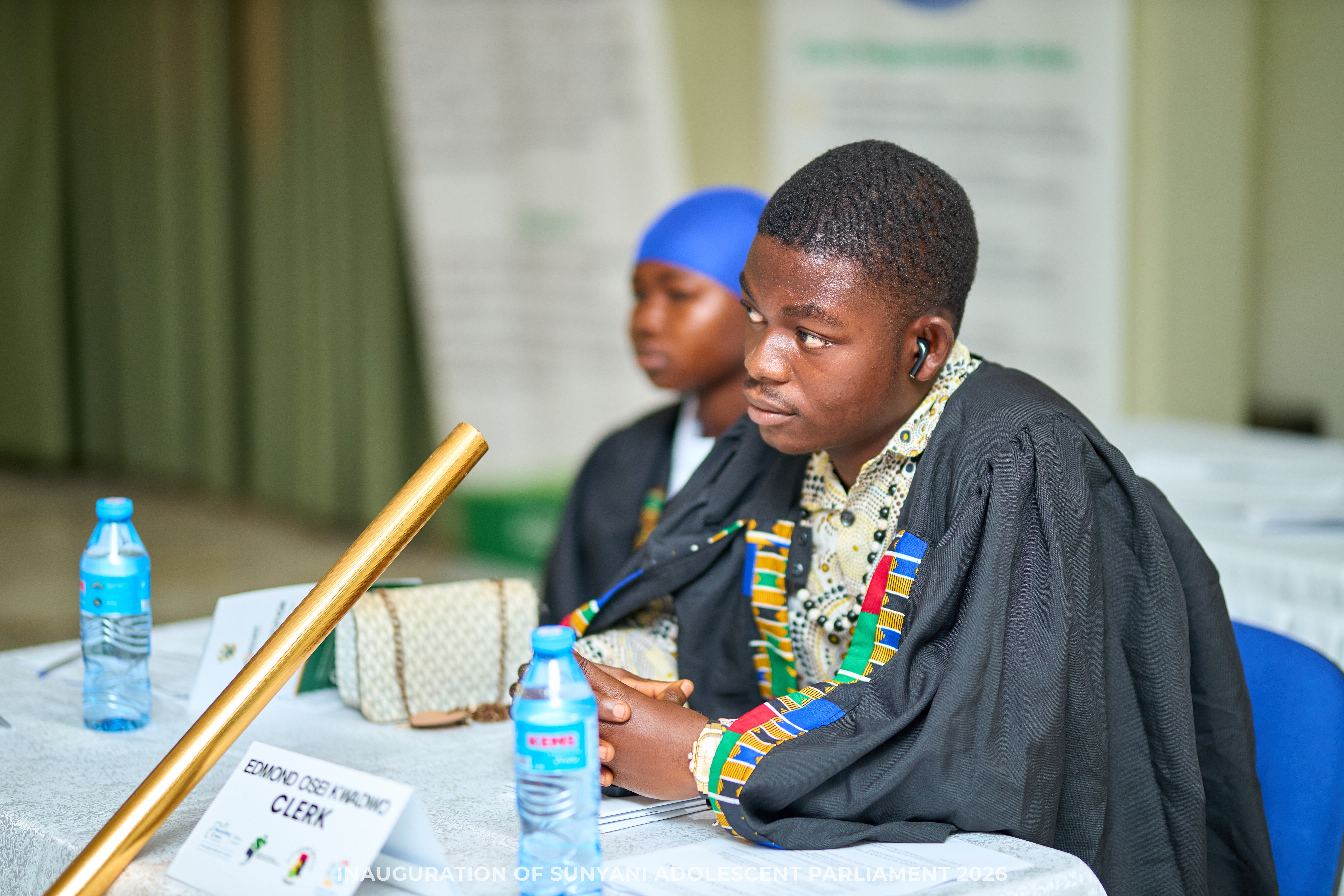
Meanwhile, a five member Executive Committee headed by Master Sarkodie-Frimpong Daniel was also inaugurate to manage the affairs of the Adolescents Parliament together with a Coordinator nominated by the partner organisations to serve as the administrative manager of the House. The five executives are; Chairman – Sarkodie-Frimpong Daniel who is also the Speaker, Vice Chairman – Ishaq Umar Rahima (Majority Leader), Secretary – Justice Kodzo Wiado (MP for Newtown), Organiser – Sai Okyere Blessing (MP for Old Abesim), Public Relations Officer - Edmond Osei Kwadwo (Clerk of Parliament) and Coordinator - Ms. Adwoa Agyeiwaa Nketiah (Adolescents Coordinator for Citizens Watch Ghana).
Story by: Ishaq Umar Rahima