INVESTING IN YOUNG VOICES, BUILDING RESILIENT CITIES: SUNYANI’S ADOLESCENTS SHAPE THEIR MANIFESTO
What happens when adolescents from across a city are given more than a microphone—when they are given a seat at the table where decisions about their future are made?
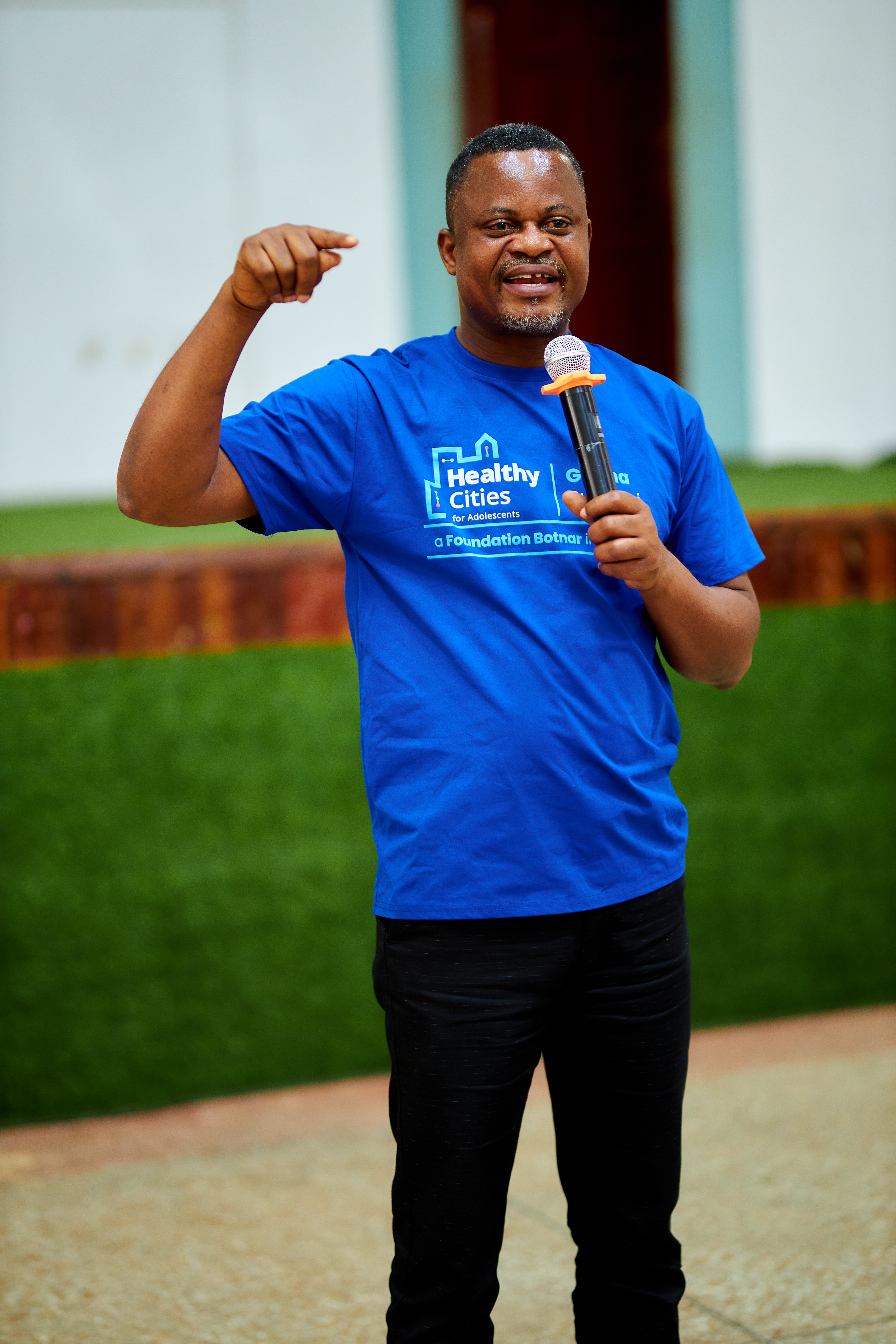
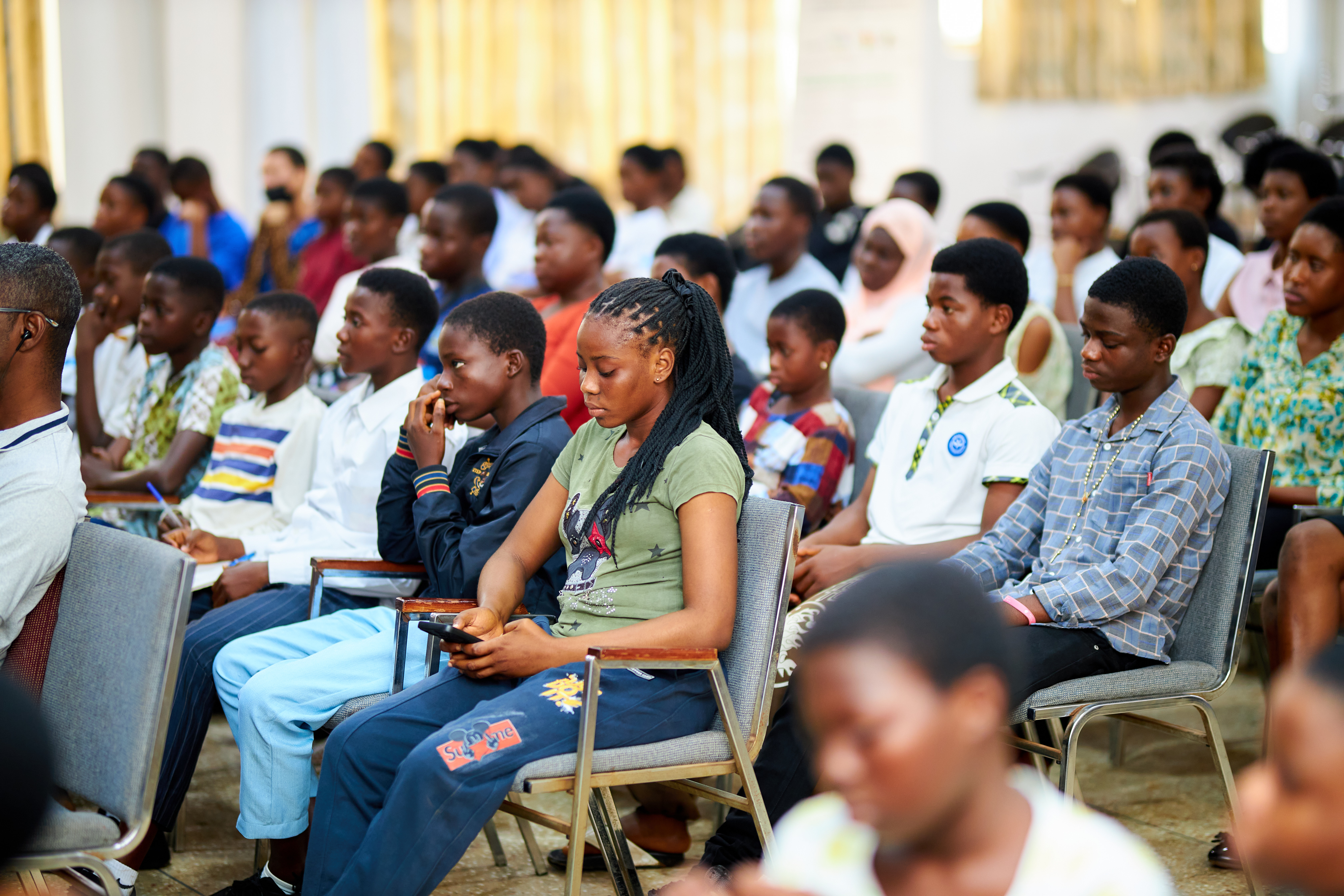
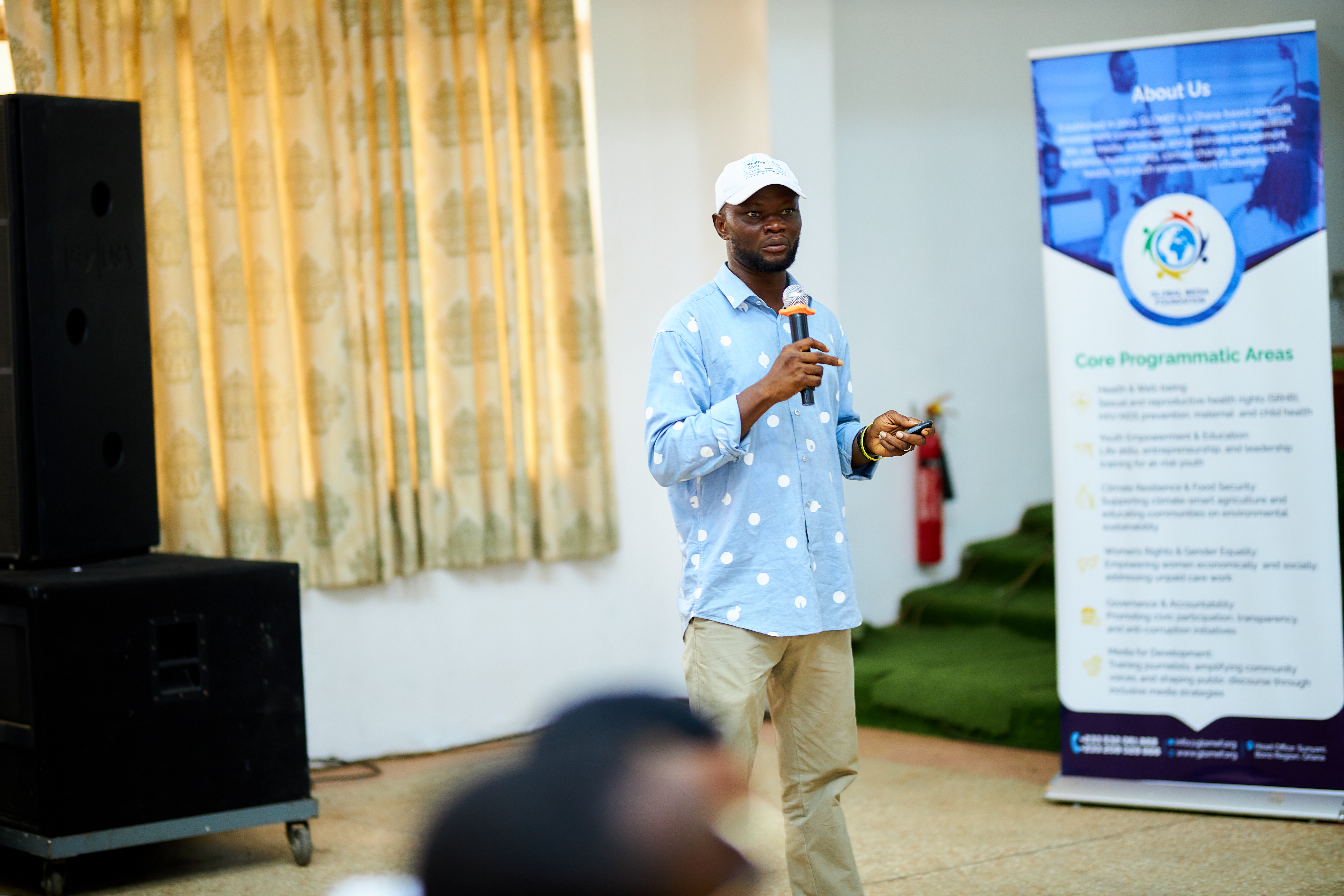
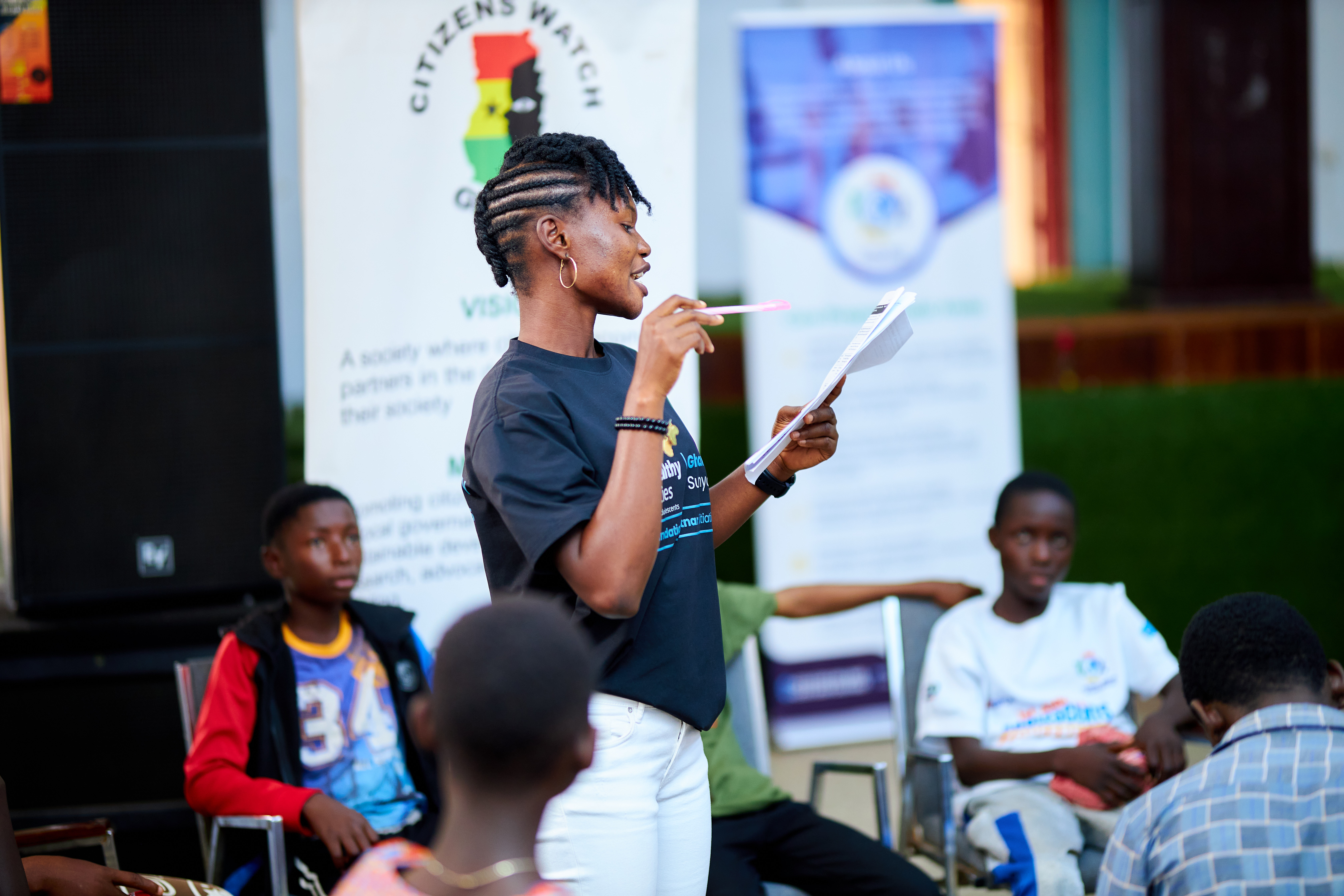
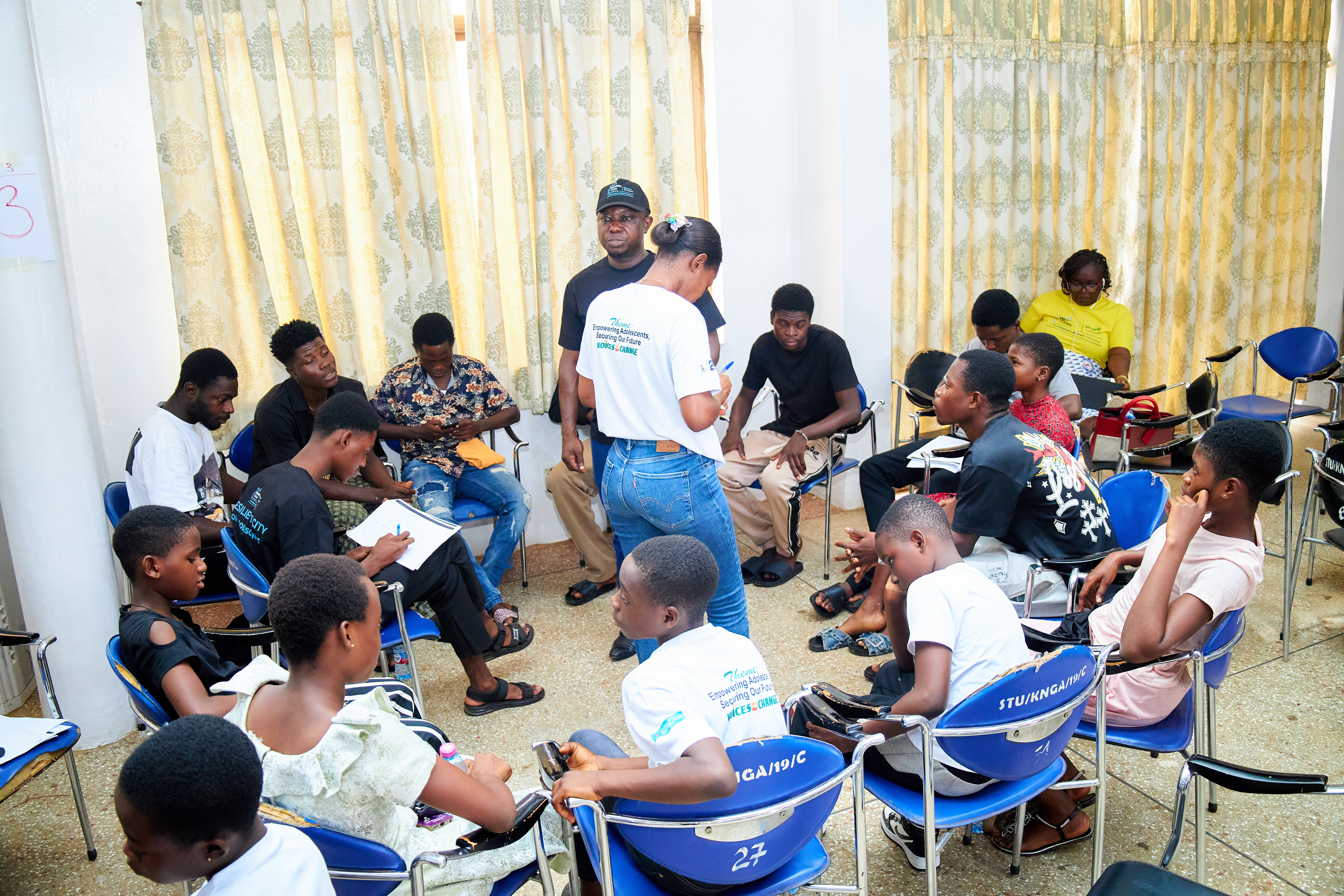
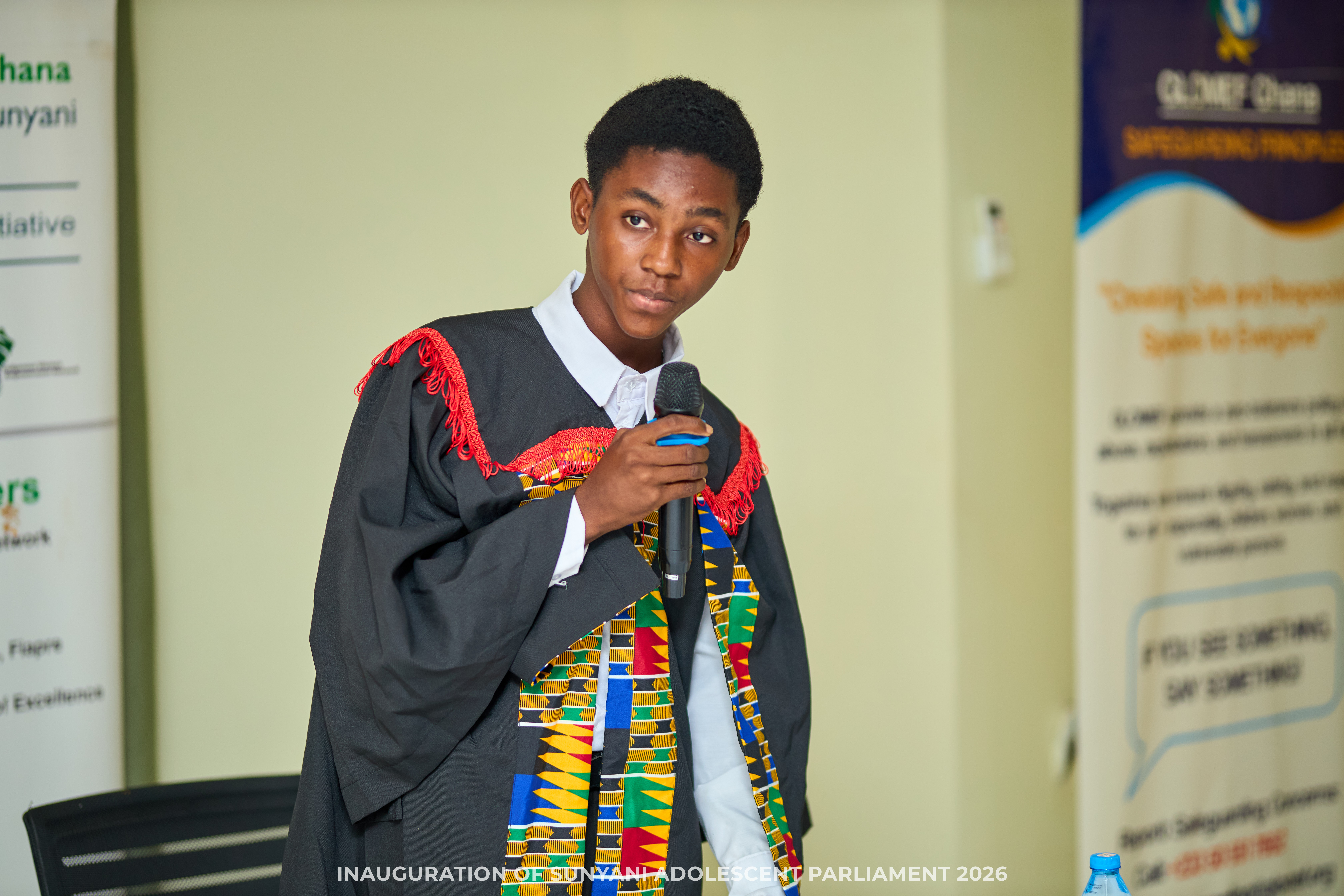
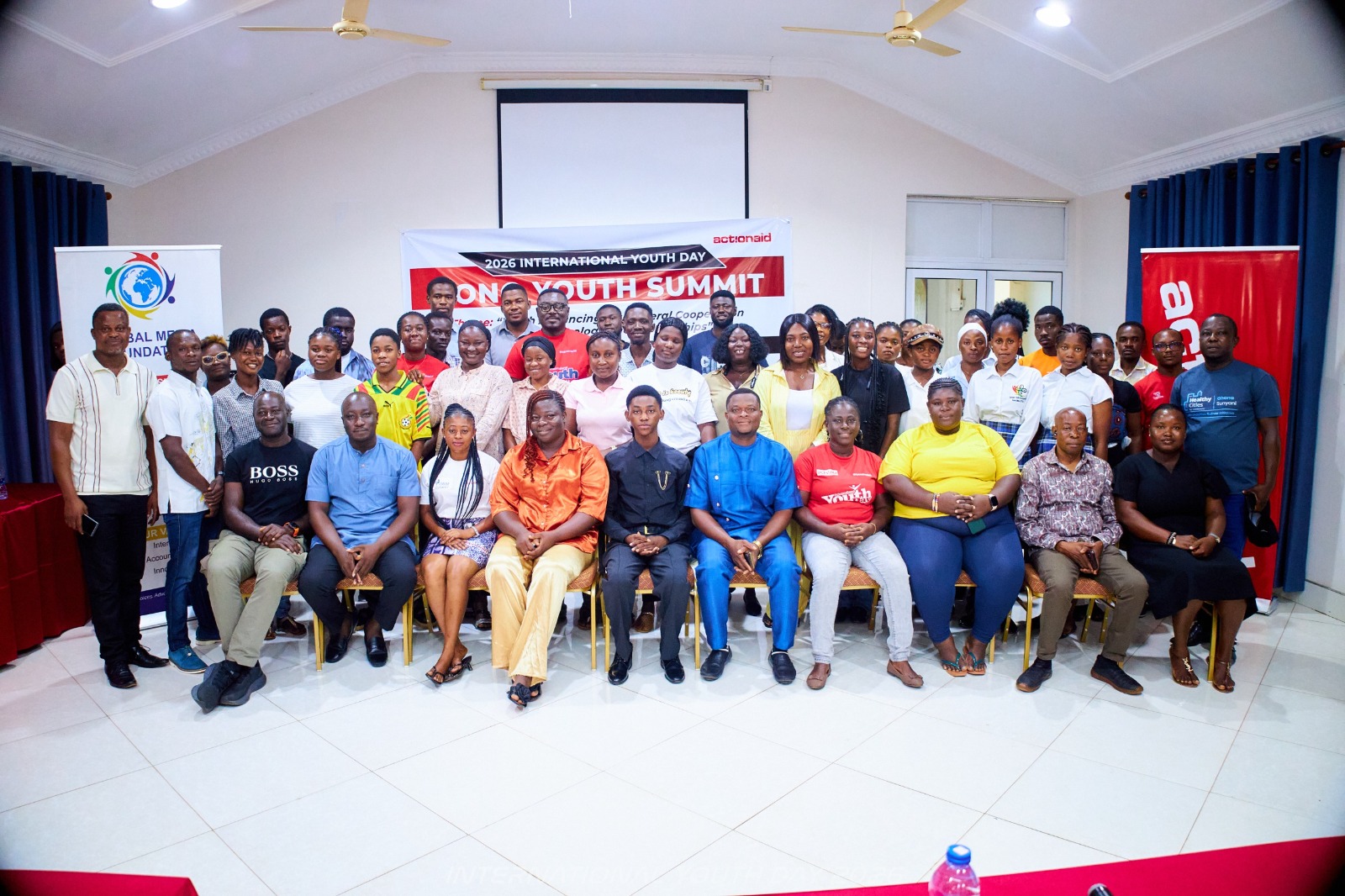
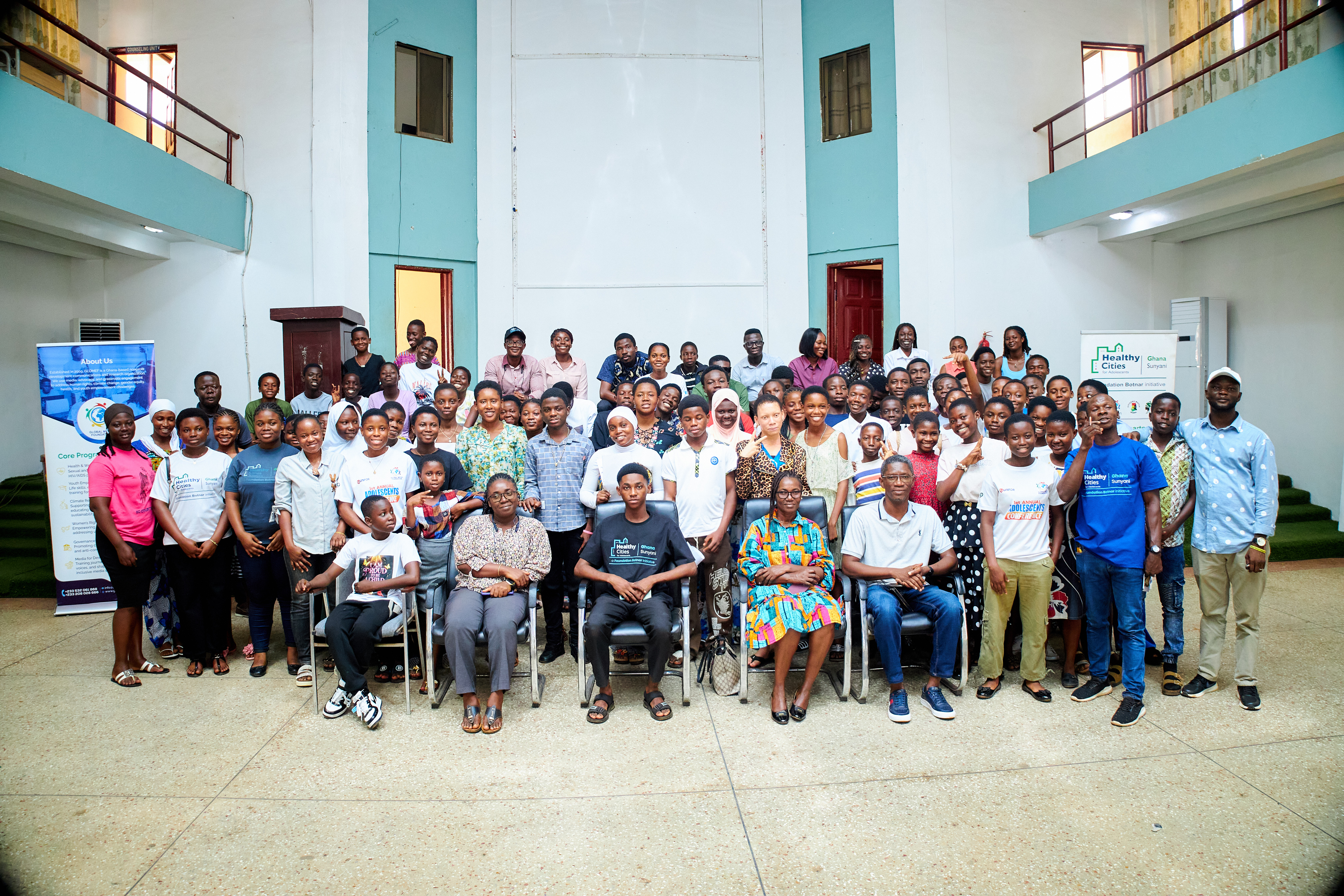
On Thursday, 5th August 2026, close to 150 adolescents and key stakeholders from across Sunyani gathered for the Sunyani Adolescent Constituency Policy Consultation Forum, marking an important step towards developing the Sunyani Adolescent Manifesto and Constituency Working Document.
The voices gathered from the 19 constituencies will provide the evidence, priorities and lived experiences needed to shape these important policy tools—helping ensure that adolescent concerns remain part of city planning even when project funding ends or programmes change.
This is at the heart of the RCA Project’s next chapter: moving from projects to systems, from activities to institutionalisation, and from participation to influence.
The forum brought together adolescents, community representatives, duty bearers, development actors and civil society organisations to examine what young people need to live, learn, work and participate meaningfully in their communities.
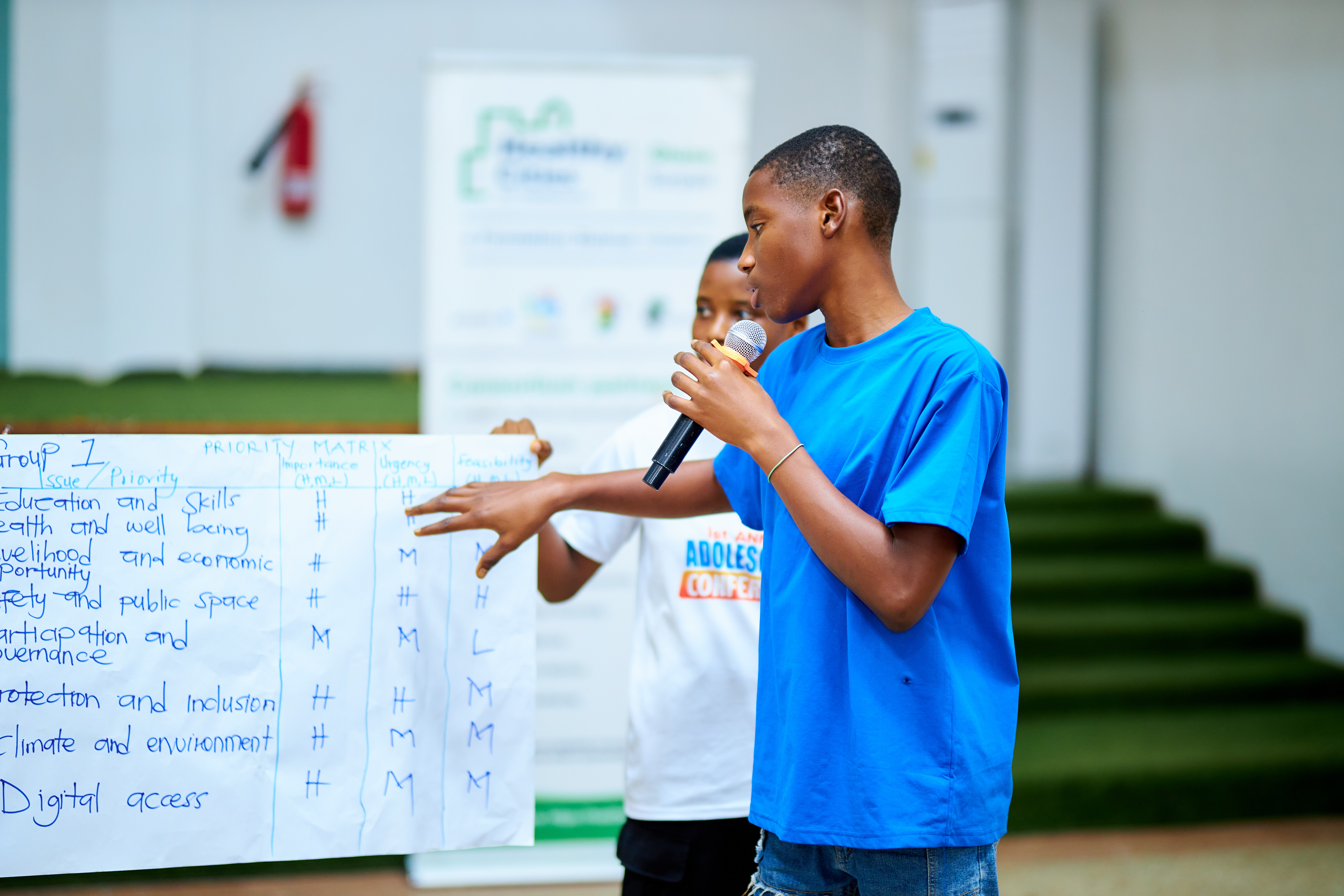
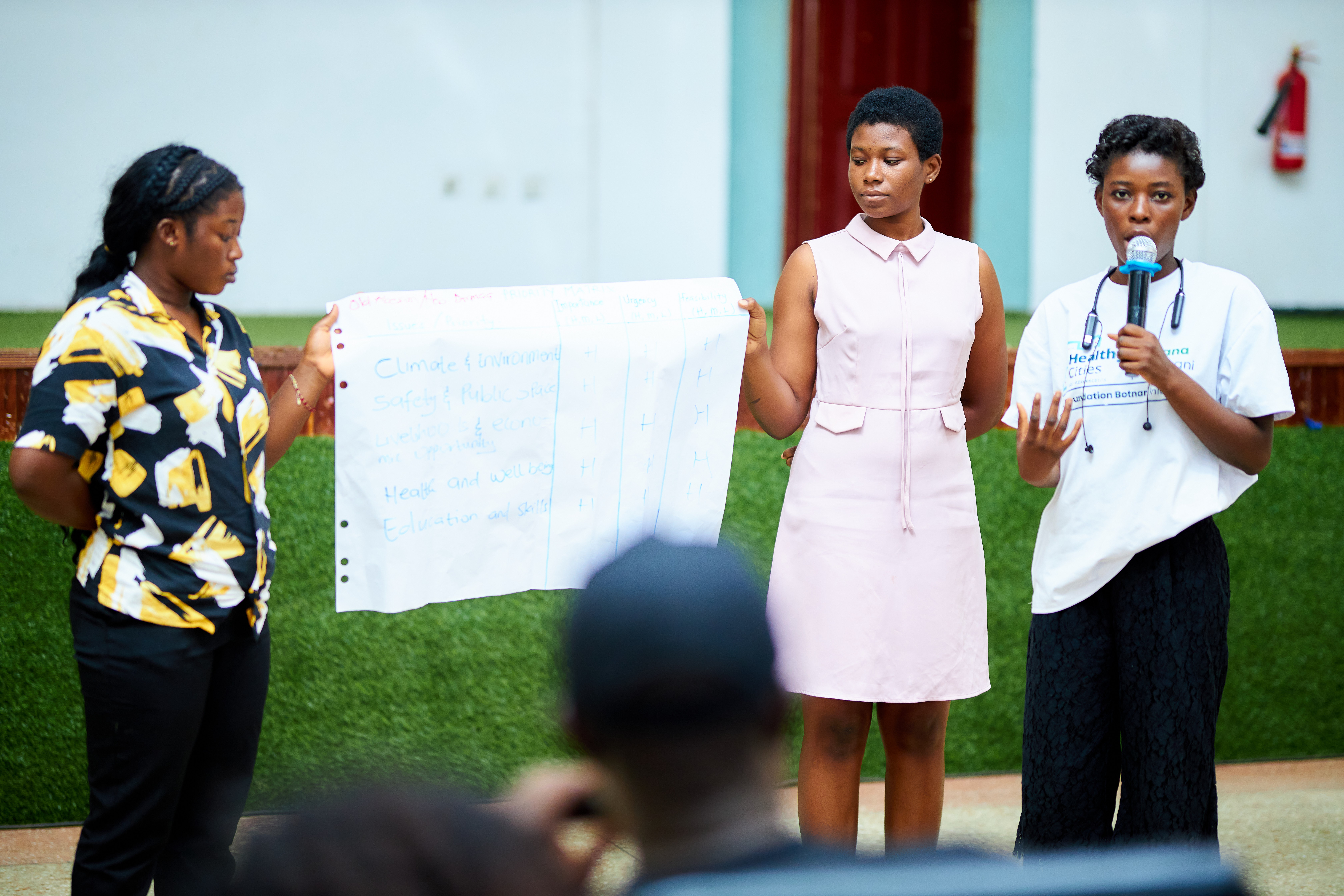
Across discussions on health and wellbeing, education, livelihoods, public safety, governance, disability inclusion, climate and the environment, and digital opportunities, adolescents spoke candidly about the realities they face.
They called for adolescent-friendly health services, stronger mental health support, sexual and reproductive health education, safer public spaces, improved street lighting and sanitation, better educational facilities, vocational and entrepreneurship training, digital access and stronger protection for vulnerable young people.
They also raised concerns about financial hardship, school dropout, unsafe roads and public spaces, discrimination against persons with disabilities, poor sanitation, flooding and limited access to digital tools.
But the consultation was not simply about identifying problems. Young people also brought solutions to the table.
They proposed stronger engagement with the Adolescent Parliament and local assemblies, improved communication with decision-makers, skills development, recreational spaces, ICT centres, clinics, libraries, vocational training centres and entrepreneur hubs.
And they asked a simple but powerful question:
“Are our voices reaching the Assembly?”
For some constituencies, the answer was no.
That response reinforces why meaningful adolescent participation must go beyond consultation to real influence in planning, policy and decision-making.
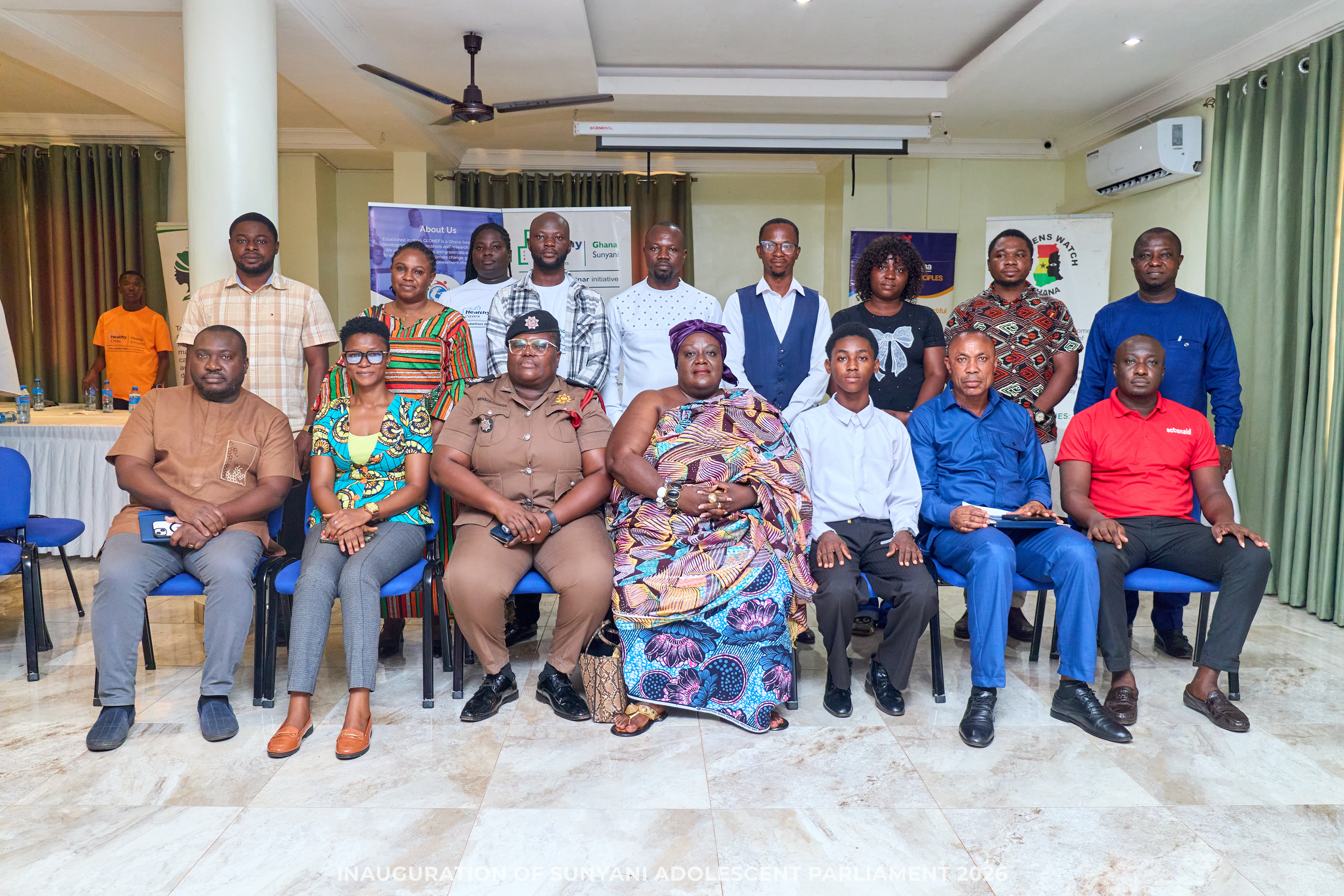
The forum was graced by Mr. Raphael Godlove Ahenu, CEO of GLOMEF Ghana; Mr. Simon Asore, Executive Director of Citizens Watch Ghana; and Mr. Edward Ayabilah, Programmes Manager of GLOMEF Ghana, alongside representatives of key institutions, community leaders and other stakeholders.
The emerging Sunyani Adolescent Manifesto will carry forward the priorities, aspirations and lived experiences of young people as a basis for advocacy, municipal planning, accountability and future investment in adolescent-responsive development.
For development partners and institutions investing in resilient cities, this is the opportunity: to move beyond investing in activities and invest in systems that give young people a lasting voice in the future of their communities.
Young people have spoken. Now, their voices must become policy, action and lasting change.
The Resilient City for Adolescents (RCA) Project is implemented by GLOMEF in partnership with IWEN and CWGH, with support from Fondation Botnar through Ecorys UK.
By:Edmond Gyebi
Communications Officer-GLOMEF GHANA